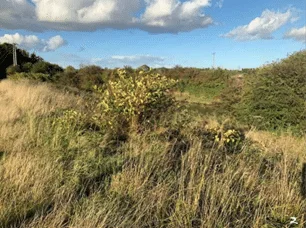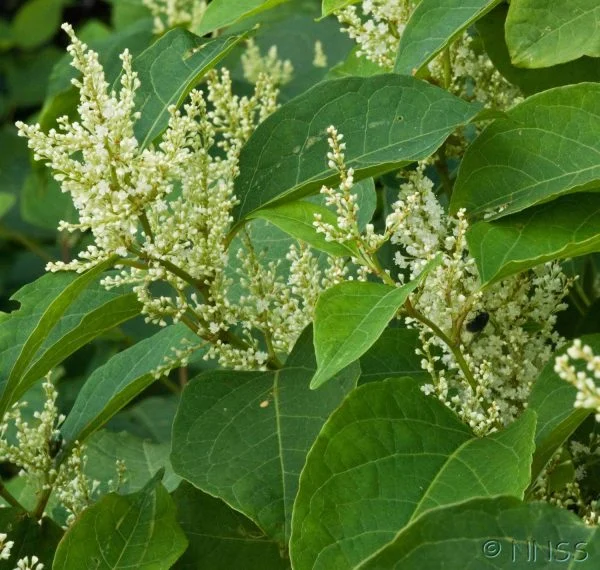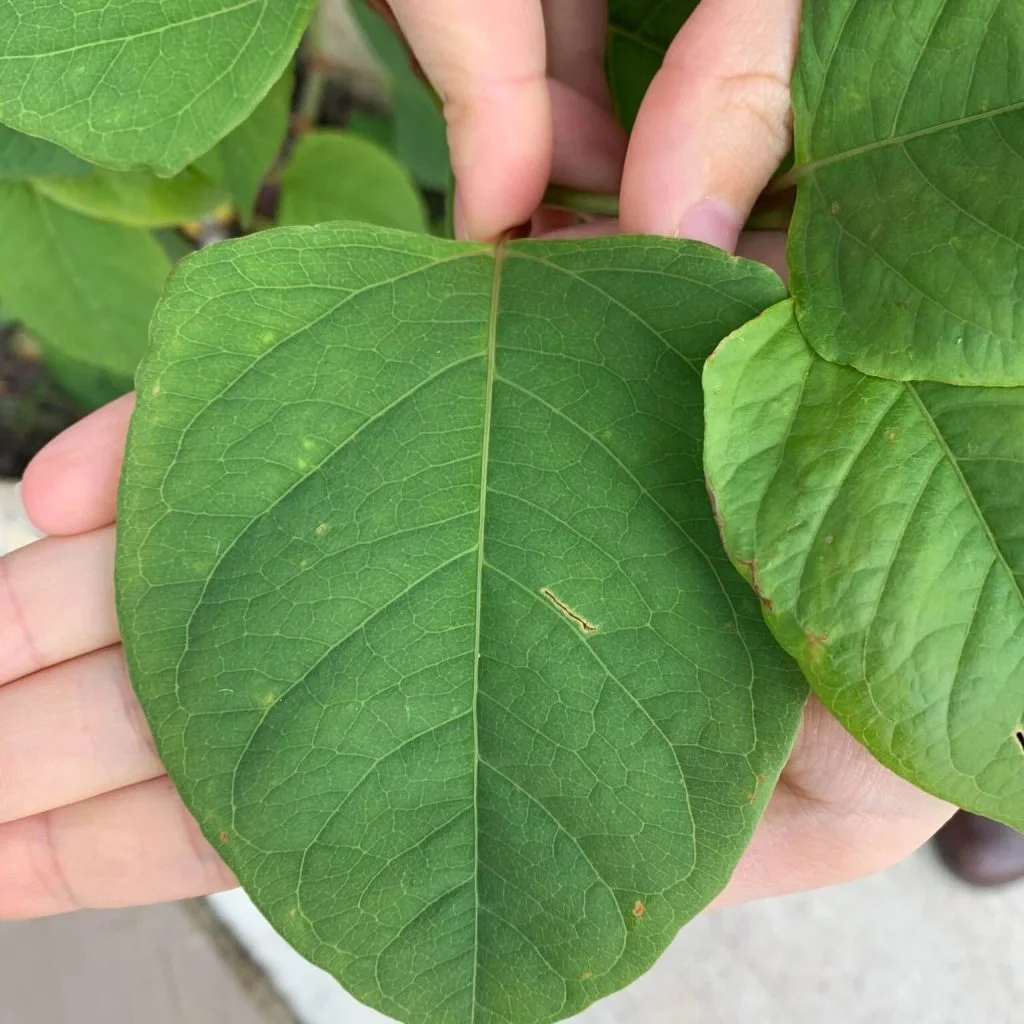
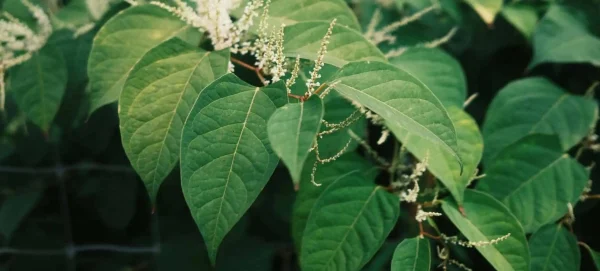








In parts of Warwickshire, land planned for development is often shaped by past uses, infrastructure, and areas between urban spaces and open land. On many sites, historic land management and boundary conditions affect what’s underground just as much as what’s visible above ground.
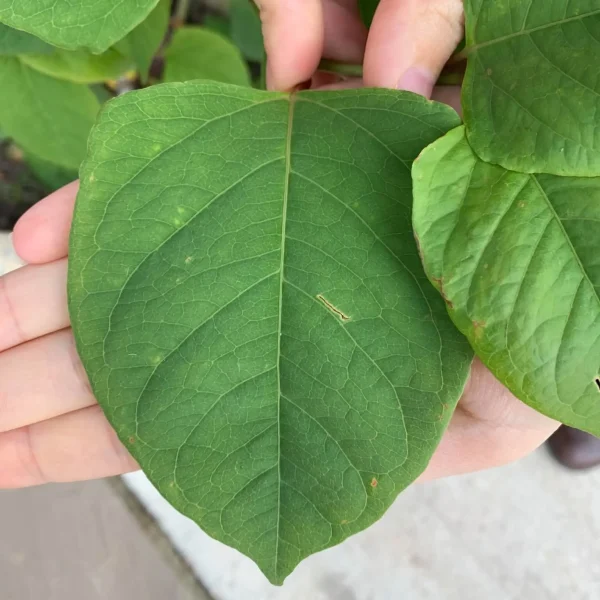
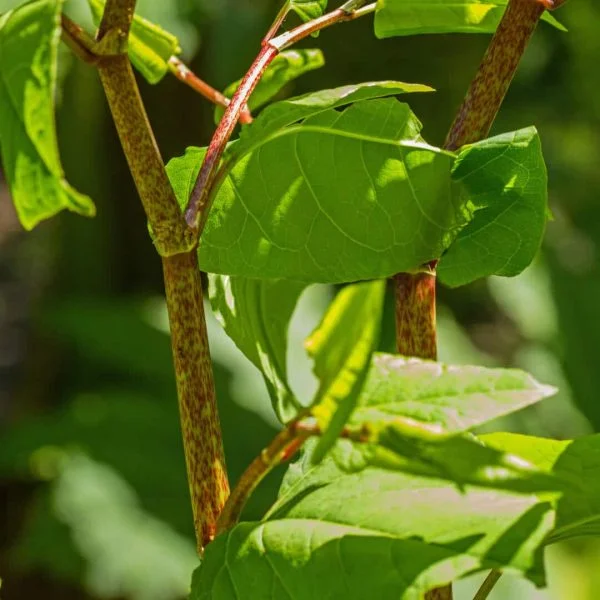
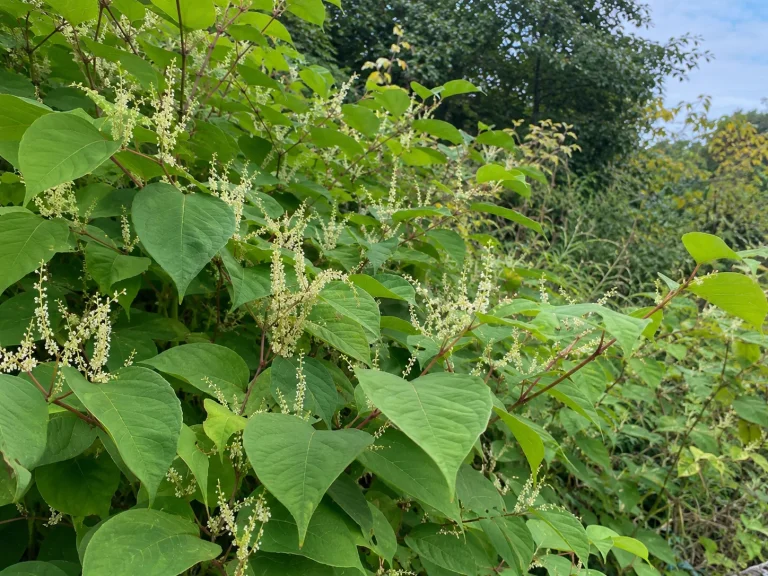
In these situations, we rarely assume Japanese knotweed is present. It’s usually discovered during site inspections, feasibility reviews, or environmental checks. The focus is on how its presence affects site constraints, project sequencing, and planning decisions—not the plant itself.
On sites planned for future development, uncertainty can quickly create risks for the schedule or planning. Until the situation is clear, assumptions can slow feasibility assessments, invite extra scrutiny, and force reactive decisions later in the process.
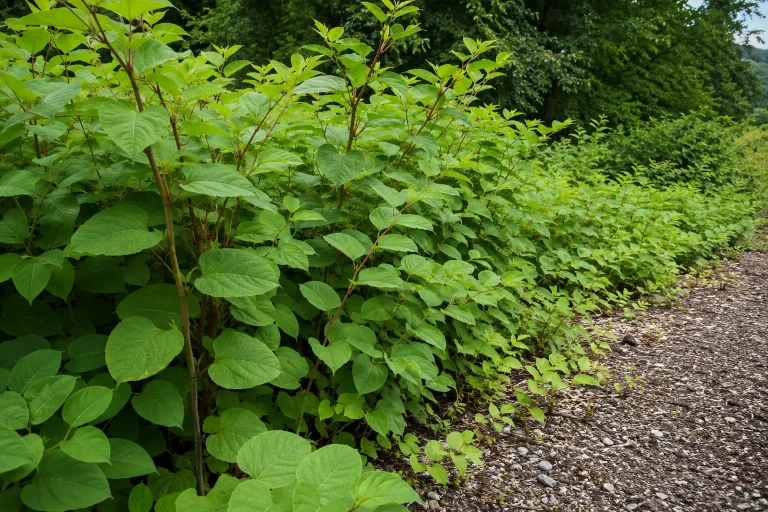
Whether knotweed stays a manageable issue or becomes a problem and spreads rapidly usually depends on how early it’s identified and how appropriately it’s managed within the wider site context.