






Clerk of Works for Commercial Sites

  • ProHort logo
  • Laver Leisure logo
  • Persimmon logo
  • Accord Group logo
  • Sanctuary Housing logo
  • Don-Bur logo
  • St John Ambulance logo
  • Kloeckner Metals logo

Do You Need a Clerk of Works (CoW) on a Japanese Knotweed Site?

Send Invasive Weed Details

Clerk of Works oversight can provide additional assurance where Japanese knotweed-affected ground is being excavated, moved or remediated as part of construction or redevelopment works.

Independent site supervision can help to:

  • Confirm that excavation follows the agreed remediation strategy
  • Monitor the identification and movement of knotweed-affected soils
  • Reduce the risk of contaminated material being spread across the site
  • Maintain clear records of excavation and remediation activity
  • Support contractors, developers and project teams throughout the works
  • Provide an auditable record of how Japanese knotweed was managed on site
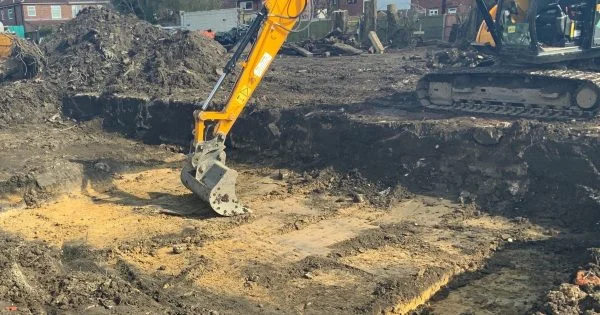
Clerk of works Hero Slide 3

When Clerk of Works supervision is typically required

Free Photo Identification

Clerk of Works involvement is typically triggered where Japanese knotweed remediation is the removal or movement of Japanese knotweed contaminated soil, either to a different part of the site or off-site. This is classed as high risk in relation to cross-site contamination, often workers do not appreciate how easy it is to contaminate another part of the site and there are often significant financial costs involved in remediating cross-site contamination. With worse case scenarios where sites have been closed down completely, and in one case we have known a bank to remove all funding.

  • Controlled Excavation

    Knotweed mitigation relies on controlled excavation and careful soil handling to prevent spread.

  • Soil Movement

    Soil is being reused on site or exported off site, requiring clear segregation and control.

  • Planning Compliance

    Planning conditions or remediation strategies specify site supervision or verification.

  • Interface Risk

    Multiple contractors, boundaries, services, or sensitive receptors increase the risk of error.

Where one or more of these factors are present, Clerk of Works oversight provides control, accountability, and evidence. It reduces the risk of accidental spread, non-compliance, and costly re-work, while giving clients confidence that remediation has been delivered proportionately and correctly.

Our Process for Clerk of Works Support

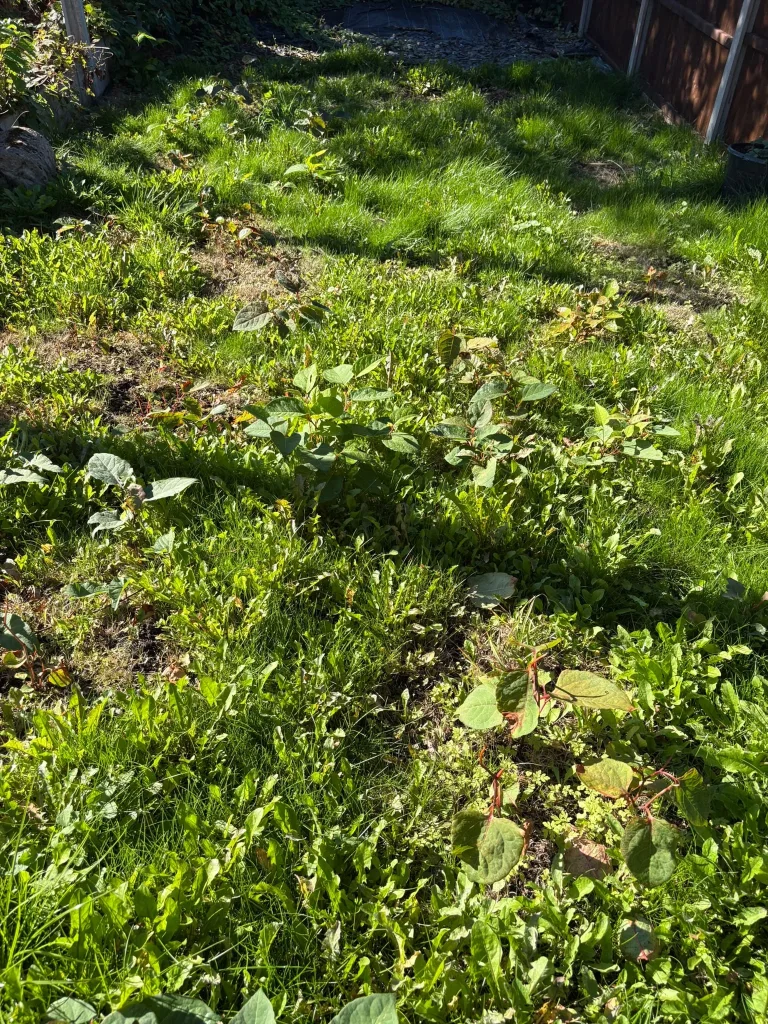
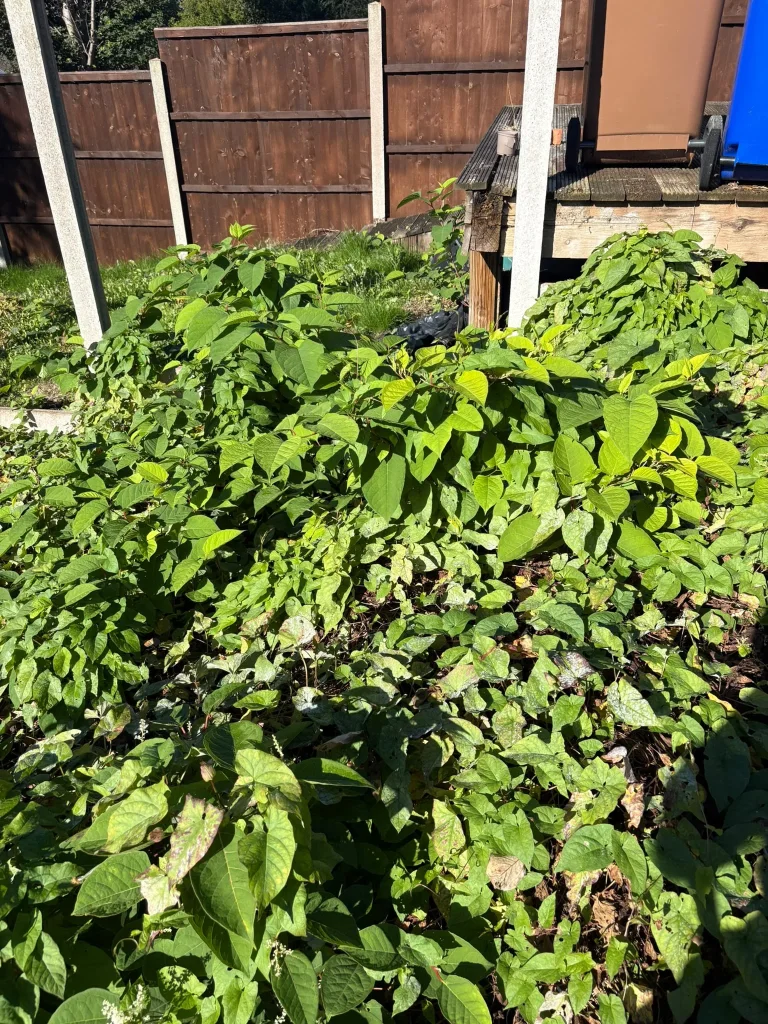
  1. Japanese knotweed in grass

    Step 1

    Pre-excavation review

    Review of the Knotweed Management Plan, method statement, and site information to confirm excavation scope, boundaries, and controls.

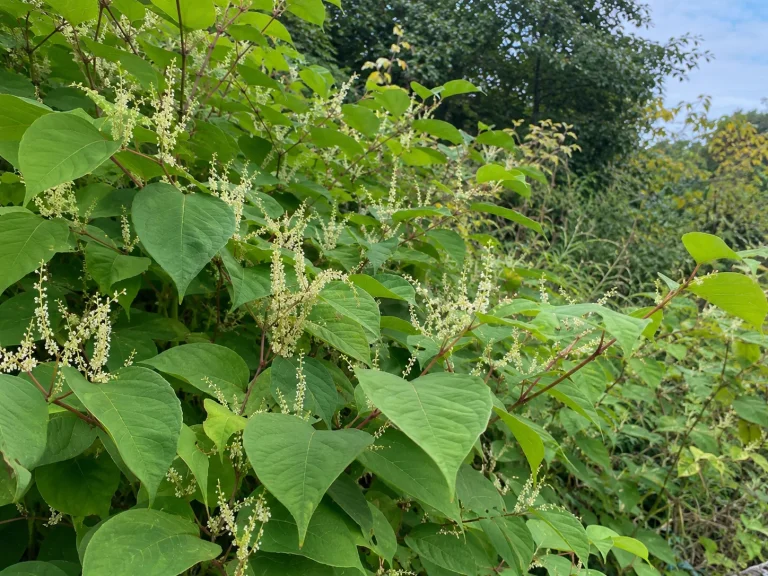
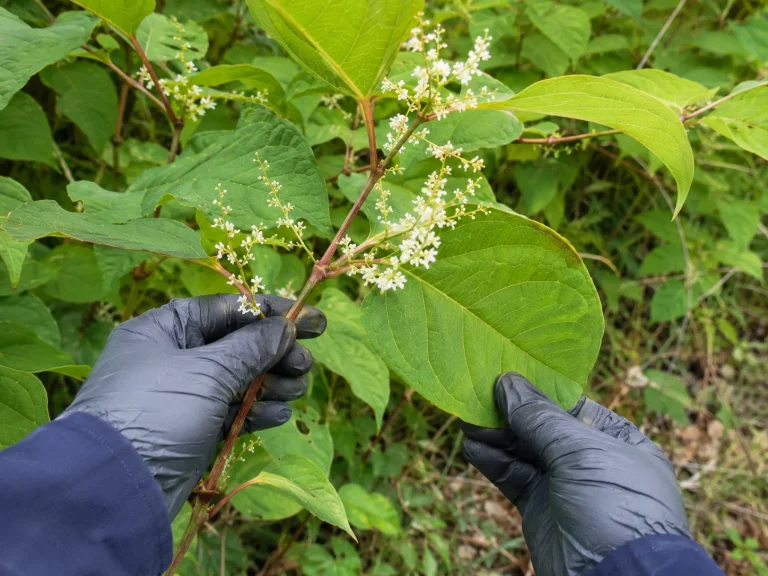
  2. Japanese knotweed

    Step 2

    Site setup & briefing

    Defining exclusion zones, bio-secure routes, and delivering toolbox talks so contractors understand identification, hygiene, and control measures.

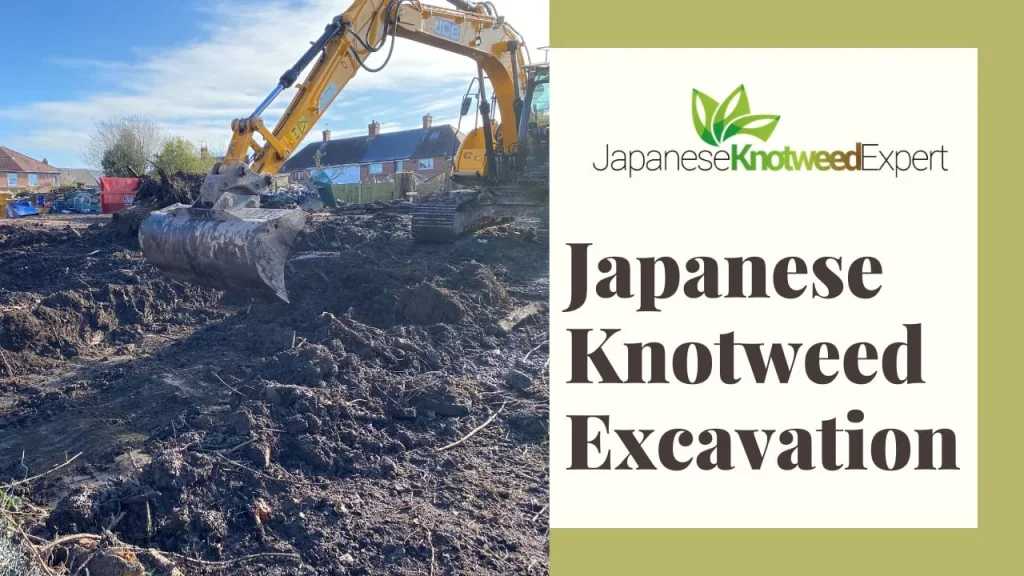
  3. Clerf of works Hero Slide 1

    Step 3

    Excavation supervision

    On-site oversight during excavation, visually inspecting soils, directing layered removal, and chasing rhizomes beyond visible growth.

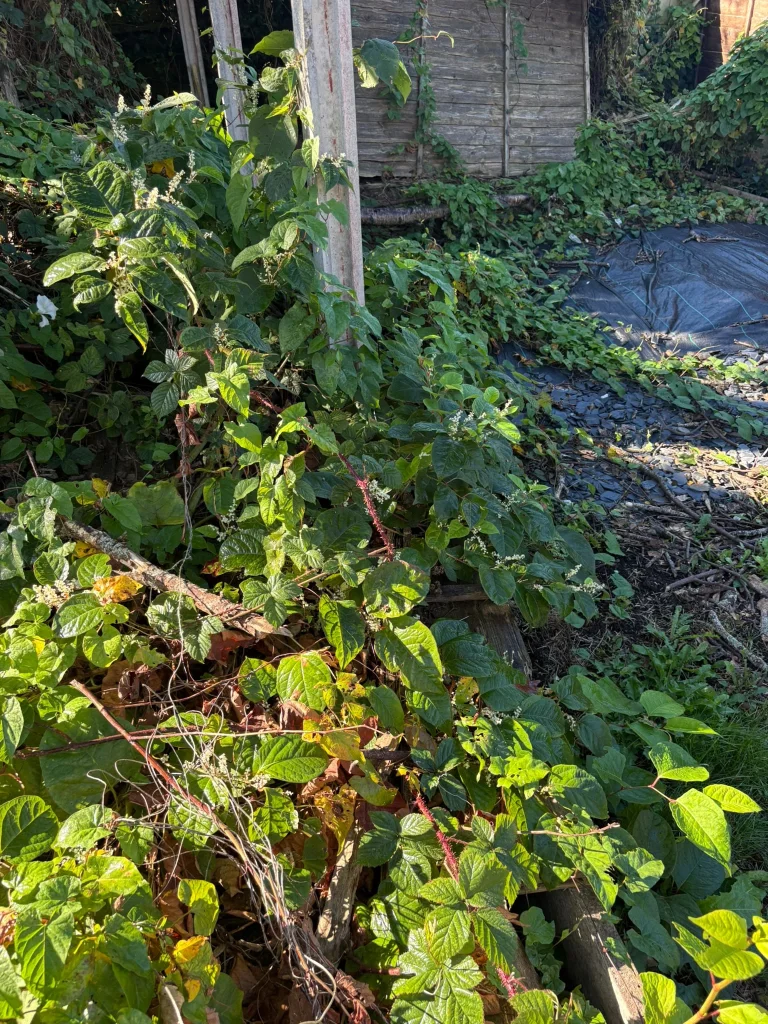
  4. Japanese knotweed on fence line

    Step 4

    Biosecurity control

    Monitoring the movement of machinery, dumper trucks, lorries and other site vehicles, alongside cleaning and loading procedures, to prevent the spread and cross-contamination of Japanese knotweed material across the site.

  5. Japanese knotweed growth near fence

    Step 5

    Waste tracking

    Verification that contaminated material is removed by licensed carriers to permitted facilities, with correct covering and transport controls.

  6. Japanese knotweed inspection

    Step 6

    Inspection & sign-off

    Final inspection of the excavation void, review of waste documentation, and issue of verification or completion certification.

Where Clerk of Works oversight protects costs and Project Deadlines

Free Photo Identification

Clerk of Works oversight is often applied too late, leading to very expensive errors.

Earlier oversight can address problems before they escalate. This commonly includes situations where:

  • Knotweed mitigation relies on controlled excavation or soil handling
  • Soil is being reused on site or removed off site
  • Planning conditions or remediation strategies require site supervision
  • Multiple contractors are operating within constrained areas
  • Works are close to boundaries, services, or sensitive receptors

In these scenarios, Clerk of Works oversight provides the assurance and audit trail often required by planning authorities, funders, insurers, or technical advisers — while reducing the risk of unplanned cost escalation.

How Clerk of Works Oversight Supports Your Site

Send Invasive Weed Details

Clerk of Works oversight provides independent, on-site control during Japanese knotweed excavation and soil handling. While reports and management plans define the strategy, it is execution on site that determines whether remediation succeeds or fails.

How Clerk of Works Oversight Supports Your Site
Why oversight matters What we deliver on site
Risk escalates during excavation On-site supervision during excavation and soil handling where control matters most.
Rhizomes extend beyond visible growth Visual inspection of exposed soils and direction of further excavation where required.
Soil movement creates contamination risk Clear segregation controls and monitoring of soil handling and haul routes.
Minor deviations can trigger re-work Immediate intervention where works drift from the agreed method or controls.
Planning conditions require verification Independent oversight and evidence to support planning compliance.
Waste handling errors create liability Supervision of loading, covering, and waste transfer processes.
Over-excavation increases cost Proportionate control to ensure sufficient — not excessive — soil removal.
Programme pressure affects decisions Independent decision support at critical stages of the works.
Boundary interfaces raise risk Boundary-focused supervision during excavation and reinstatement.
Final sign-off requires confidence Clear records and verification following completion of the works.

Clerk of Works on Development Sites across England

Cambridgeshire

Cambridgeshire is characterised by rapid growth around science parks, infrastructure-led development, and large-scale housing schemes — creating a distinct risk profile for managing Japanese knotweed during construction.

Across projects in Cambridge, Peterborough, Huntingdon, and St Neots, development activity is often shaped by:

  • Phased construction across large plots
  • Soil reuse within constrained programme windows
  • Infrastructure interfaces and service corridors
  • Multiple contractors operating under delivery pressure

In these environments, Japanese knotweed doesn’t become a problem because it’s present — it becomes a problem when control slips during live excavation and soil handling.

That’s where Clerk of Works oversight earns its place.

Yorkshire

Yorkshire combines large urban centres, former industrial land, and extensive regeneration corridors — conditions where small lapses in control can quickly turn into programme and compliance issues when Japanese knotweed is present.

Across projects in Leeds, Sheffield, Bradford, and areas such as Wakefield and Rotherham, development activity is often shaped by:

  • Legacy industrial and brownfield ground
  • Phased redevelopment across large plots
  • Interfaces between remediation, enabling works, and main construction
  • Multiple contractors working simultaneously under delivery pressure

In these environments, Japanese knotweed doesn’t become a problem because it’s present — it becomes a problem when control slips during live excavation and soil handling.

That’s where Clerk of Works oversight earns its place.

Merseyside

Merseyside combines port-related infrastructure, dense urban redevelopment, and legacy industrial land — conditions where small lapses in control can quickly turn into programme and compliance issues when Japanese knotweed is present.

Across projects in Liverpool, Birkenhead, Bootle, and parts of Wirral, construction sites are often shaped by:

  • Constrained access and shared boundaries
  • Docklands, former industrial land, and made ground
  • Phased redevelopment across mixed ownership plots
  • Multiple contractors working in parallel under delivery pressure

In this environment, Japanese knotweed doesn’t become a problem because it’s present — it becomes a problem when control slips during live excavation and soil handling.

That’s where Clerk of Works oversight earns its place.

Greater Manchester

Greater Manchester is defined by dense urban redevelopment, large-scale regeneration, and complex brownfield sites — conditions where small lapses in control can quickly turn into programme and compliance issues when Japanese knotweed is present.

Across projects in Manchester, Salford, Trafford, and Stockport, construction activity is often shaped by:

  • Constrained plots and tight boundaries
  • Legacy industrial or contaminated land
  • Phased groundworks across mixed-use developments
  • Multiple contractors operating under delivery pressure

In these environments, Japanese knotweed doesn’t become a problem because it’s present — it becomes a problem when control slips during live excavation and soil handling.

That’s where Clerk of Works oversight earns its place.

Greater London

Greater London presents one of the most challenging environments in the UK for managing Japanese Knotweed during construction.

Here, development rarely happens in isolation. Projects across areas such as Southwark, Croydon, Enfield, and Hillingdon are typically shaped by:

  • Extremely tight boundaries and shared access
  • Adjacent land ownership and party wall constraints
  • Phased programmes with repeated ground disturbance
  • Multiple contractors operating simultaneously

In this environment, Japanese Knotweed doesn’t become a problem because it’s present, it becomes a problem when control slips during live works.

That’s where Clerk of Works oversight becomes critical.

West England

The West of England is one of the UK’s most active redevelopment regions — and one of the easiest places for small lapses in control to turn into programme and compliance issues when Japanese knotweed is present.

Across projects in Bristol, Avonmouth, and Filton, sites are often shaped by:

  • Tight boundaries and shared access
  • Phased programmes and repeated groundworks
  • Former industrial or brownfield land
  • Multiple contractors operating in parallel

In these conditions, Japanese knotweed doesn’t cause problems simply because it exists — it causes problems when control breaks down during live works.

That’s where Clerk of Works oversight earns its place.

West Midlands

The West Midlands combines large-scale urban redevelopment with legacy industrial land, creating a distinct risk profile for managing Japanese knotweed during construction.

Across sites in Birmingham, Wolverhampton, Dudley, and Solihull, projects are often shaped by:

  • Former industrial or brownfield ground
  • Constrained access and shared boundaries
  • Phased redevelopment across mixed land ownership
  • Multiple contractors operating under tight delivery pressure

In this environment, Japanese knotweed doesn’t create risk simply by being present — it creates risk when control breaks down during excavation and soil handling.

That’s where Clerk of Works oversight becomes critical.

East Midlands

The East Midlands combines major redevelopment corridors with logistics, infrastructure, and brownfield sites — making it a region where small lapses in control can quickly turn into programme and compliance issues when Japanese knotweed is present.

Across projects in Nottingham, Derby, and Leicester, construction activity often involves:

  • Phased groundworks across large or constrained plots
  • Repeated excavation and soil handling
  • Legacy industrial land and transport-linked sites
  • Multiple contractors working under tight programme pressure

In these environments, Japanese knotweed doesn’t cause problems simply because it exists — it causes problems when control breaks down during live works.

That’s where Clerk of Works oversight earns its place.

Staffordshire

Staffordshire sits at the intersection of major transport corridors, edge-of-city redevelopment, and mixed industrial land — creating a distinct risk profile for managing Japanese knotweed during construction.

Across projects in Stoke-on-Trent, Burton upon Trent, Stafford, and Tamworth, development activity is often shaped by:

  • Former industrial or manufacturing land
  • Edge-of-urban sites bordering unmanaged land
  • Phased groundworks across mixed-use plots
  • Soil reuse within constrained site footprints

In these environments, Japanese knotweed doesn’t become a problem because it’s present — it becomes a problem when control slips during excavation and soil handling, particularly where boundaries are less clearly defined.

North East England

North East England combines major regeneration corridors, infrastructure projects, and extensive former industrial land — conditions where small lapses in control can quickly turn into programme and compliance issues when Japanese knotweed is present.

Across projects in Newcastle upon Tyne, Gateshead, Sunderland, and areas such as Middlesbrough and Durham, development activity is often shaped by:

  • Legacy industrial and brownfield land
  • Infrastructure-led regeneration and transport schemes
  • Phased groundworks across large plots
  • Multiple contractors operating under delivery pressure

In these environments, Japanese knotweed doesn’t become a problem because it’s present — it becomes a problem when control slips during live excavation and soil handling.

Could Your Japanese Knotweed Remediation Costs Qualify for Tax Relief?

Call Now

Companies undertaking Japanese knotweed remediation may be able to claim Land Remediation Relief on qualifying expenditure, helping to reduce the overall cost of dealing with affected land.

Under the current scheme, qualifying expenditure can receive the normal 100% Corporation Tax deduction plus an additional 50% deduction. (This information was last checked on gov.uk August 2026, and can change subject to government updates).

Japanese Knotweed Expert works with a specialist Land Remediation Relief partner who can assess the circumstances of your project, identify potentially qualifying expenditure and provide specialist support with the claim.

Our team provides the technical Japanese knotweed expertise, remediation oversight and supporting project information, while tax advice and preparation of the claim are handled by the specialist partner.

Planning or undertaking Japanese knotweed remediation?
Speak to our team to find out whether Land Remediation Relief may be relevant to your project.

Clerk of Works for Excavation Frequently Asked Questions

What is a Clerk of Works for Japanese knotweed excavation?

A Clerk of Works (CoW) is an independent site representative who oversees Japanese knotweed excavation to ensure works are carried out correctly, safely, and in line with the agreed Knotweed Management Plan.

When is a Clerk of Works required for knotweed excavation?

CoW oversight is typically required where excavation is used as a control method, soil is being moved on or off site, planning conditions require verification, or the risk of cross-contamination is high.

Is a Clerk of Works mandatory for Japanese knotweed removal?

A Clerk of Works is not always mandatory, but may be required by planning conditions, remediation strategies, funders, or lenders where independent supervision and verification are needed.

What does a Clerk of Works do during knotweed excavation?

During excavation, the CoW monitors soil removal, identifies and tracks rhizomes, ensures layered excavation is followed, controls biosecurity measures, and prevents contaminated material spreading to clean areas.

Does the Clerk of Works decide how much soil is removed?

The Clerk of Works does not design the remediation strategy but ensures the contractor removes sufficient contaminated soil in line with the approved plan, without unnecessary over-excavation.

How does a Clerk of Works prevent the spread of Japanese knotweed?

The CoW enforces strict site controls, including exclusion zones, machinery cleaning, controlled haul routes, and supervision of loading and transport to prevent accidental spread.

Can a Clerk of Works sign off Japanese knotweed excavation?

Yes. Following inspection of the excavation void and review of waste documentation, the Clerk of Works can issue verification or completion sign-off confirming the works were undertaken correctly.

What documentation does a Clerk of Works provide?

Documentation may include site records, inspection notes, waste transfer verification, photographic evidence, and a final verification or completion certificate.

Does a Clerk of Works help with planning compliance?

Yes. Clerk of Works oversight helps demonstrate compliance with planning conditions, remediation strategies, and environmental guidance by providing independent verification of the works.

Is a Clerk of Works the same as the knotweed contractor?

No. The Clerk of Works acts independently from the contractor, representing the client’s interests and ensuring the excavation is compliant, proportionate, and properly evidenced.

Discuss your site requirements today

If Japanese knotweed is present within a proposed excavation or development area, early planning can help prevent delays, unnecessary soil movement and avoidable remediation costs.

Our team can review the site information, proposed groundworks and existing Japanese knotweed documentation to establish the level of oversight required.

Where Land Remediation Relief may also be relevant, we can introduce you to our specialist partner for a separate eligibility assessment.

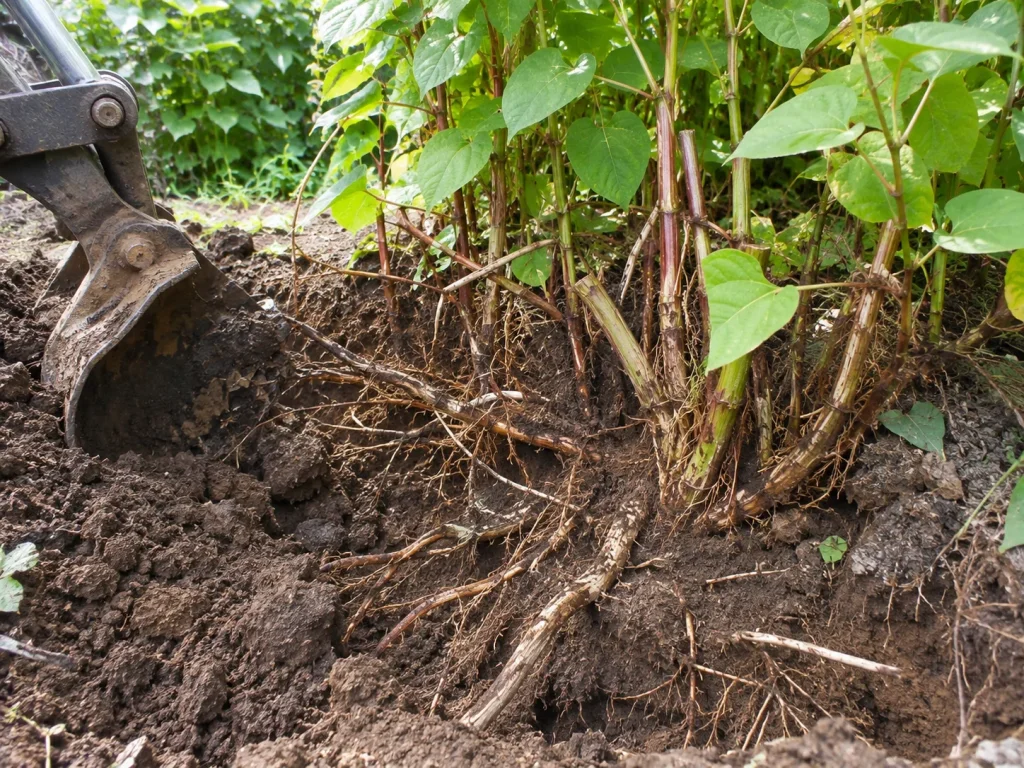
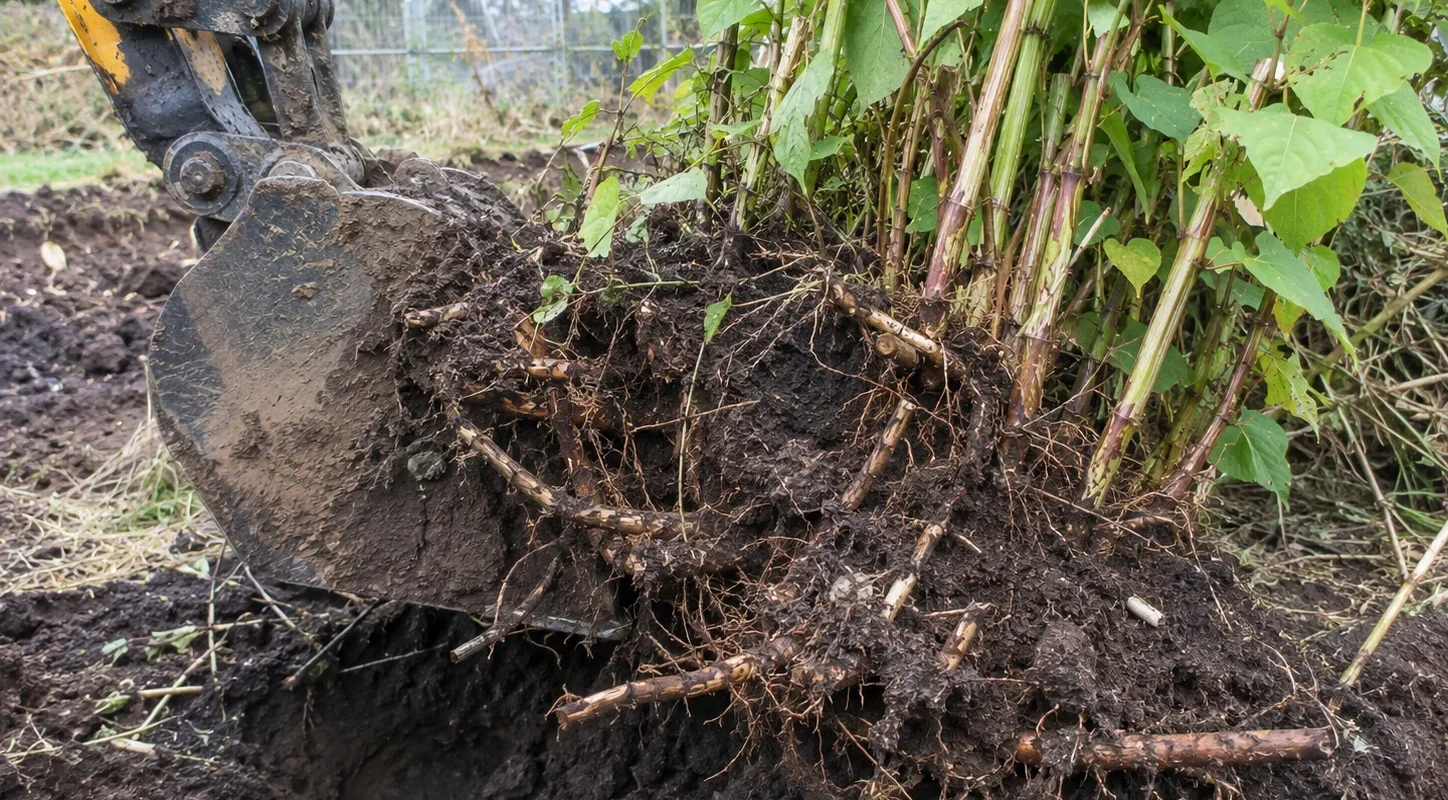
Japanese knotweed being excavated and dug out of the soil.

Request a Clerk of Works for Commercial Sites

Request a Clerk of Works for Commercial Sites

Maximum file size: 16.78MB