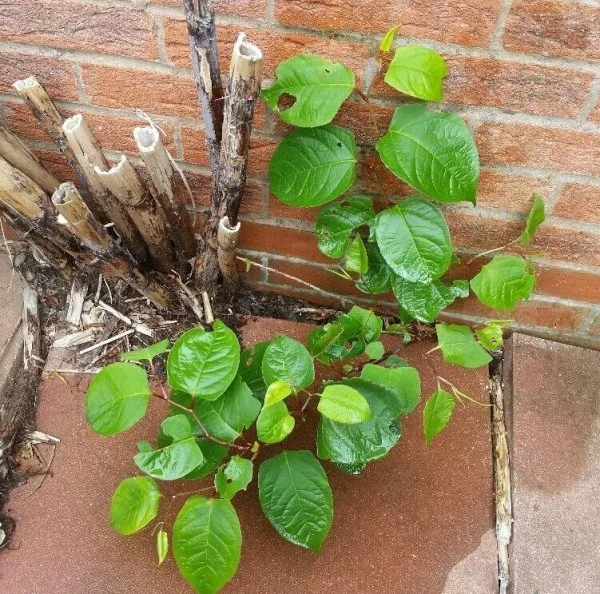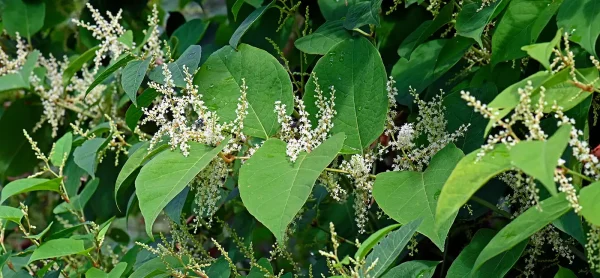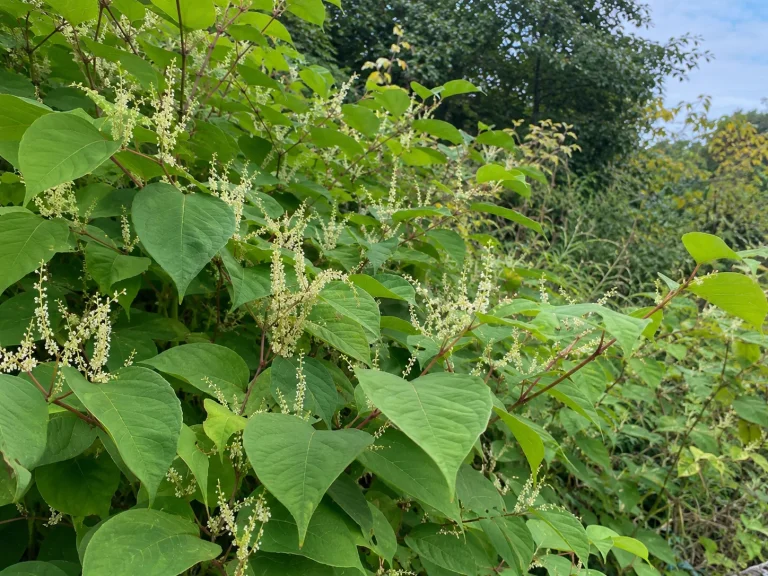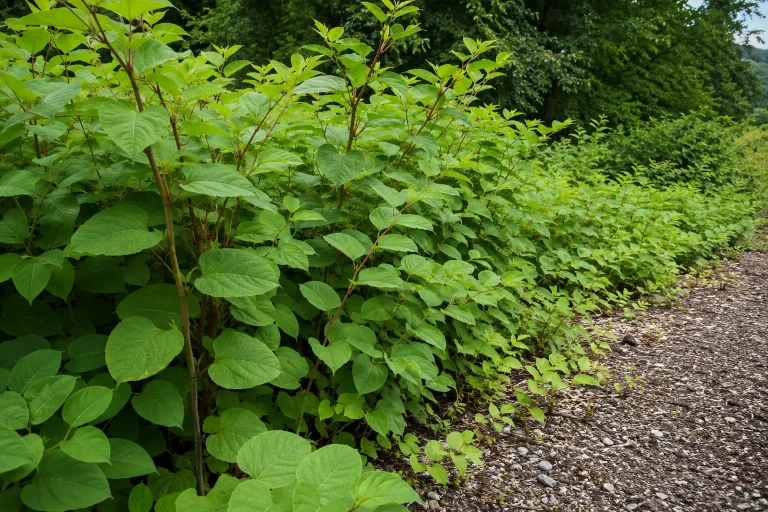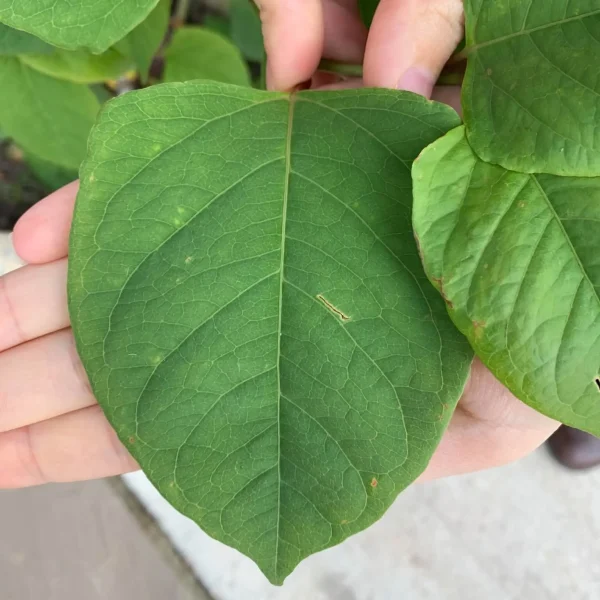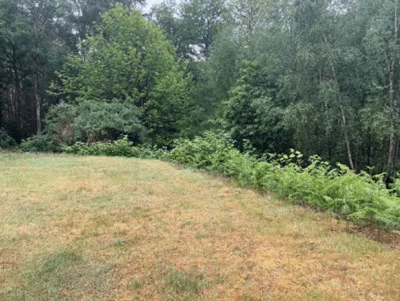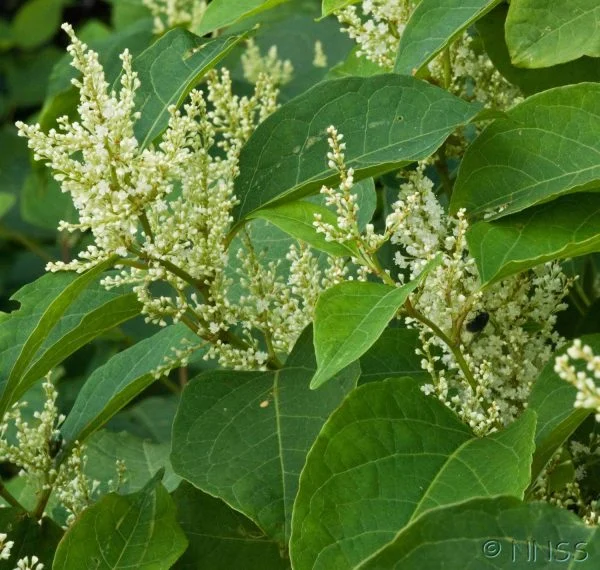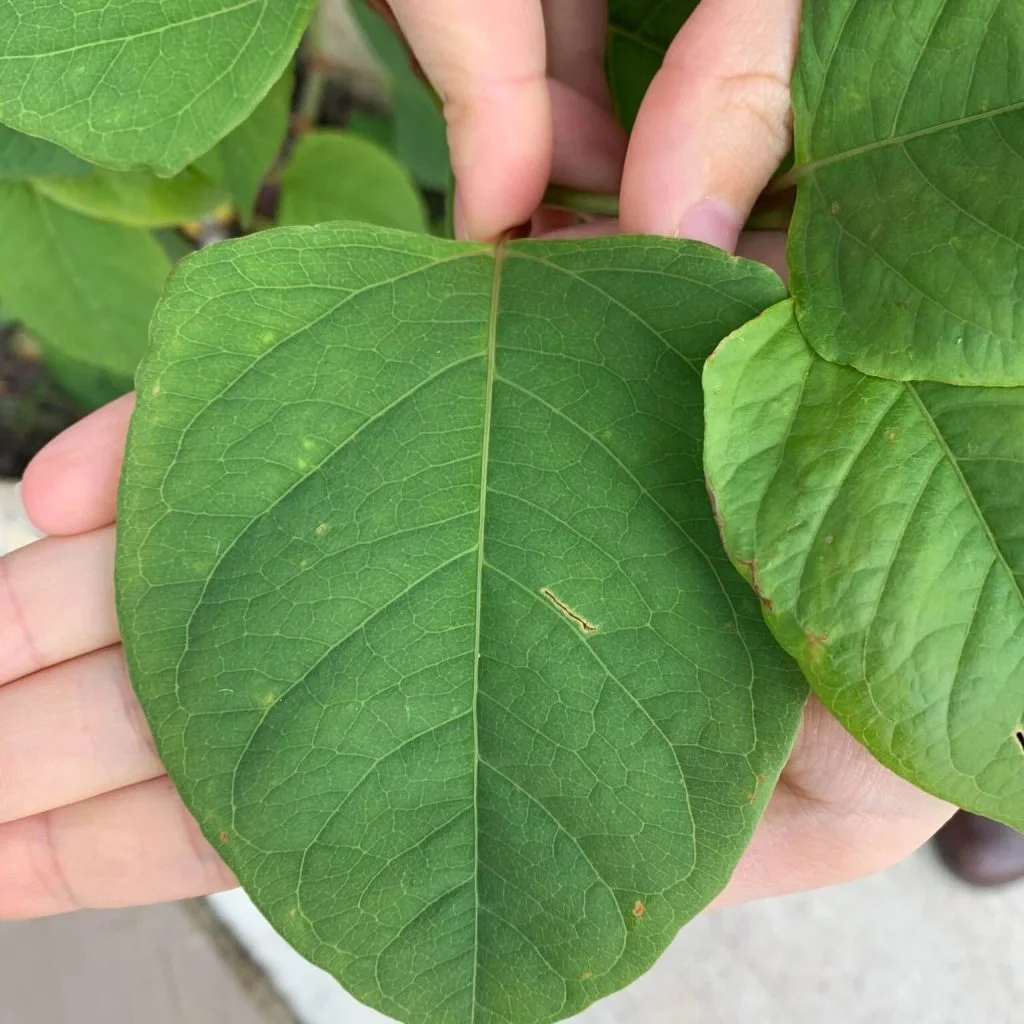
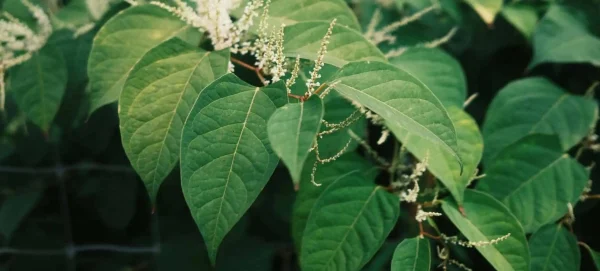








Most people don’t actively look for Japanese knotweed. It usually comes to light during due diligence—when a survey flags a potential issue, a buyer seeks reassurance, or a lender requests confirmation. At that stage, managing uncertainty can be more important than managing the plant itself.
Properties across Sussex include a mix of high-value homes and private plots. In all cases, Japanese knotweed is treated as a formal due-diligence matter, confirmed through professional assessment rather than assumed to be present.
In these situations, providing clear information at the right stage can make the difference between a smooth transaction and late-stage renegotiation.