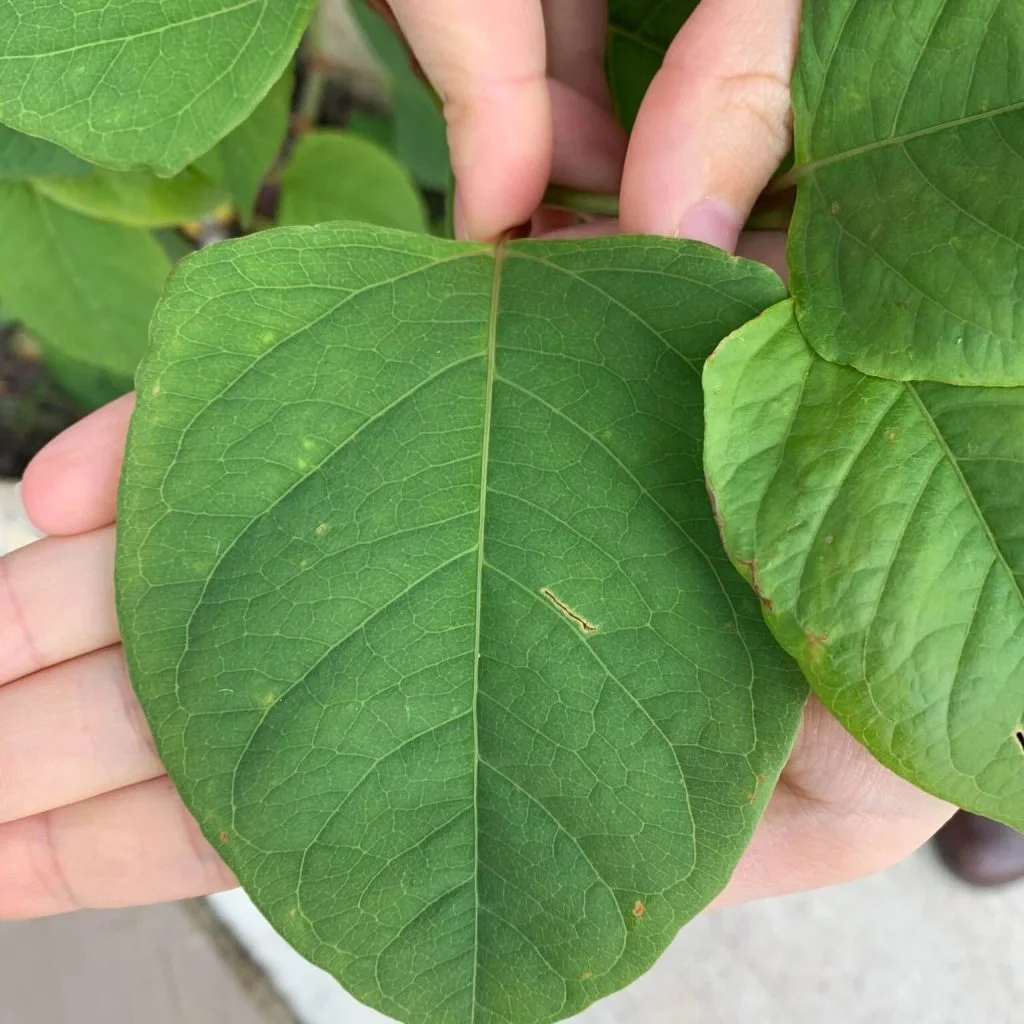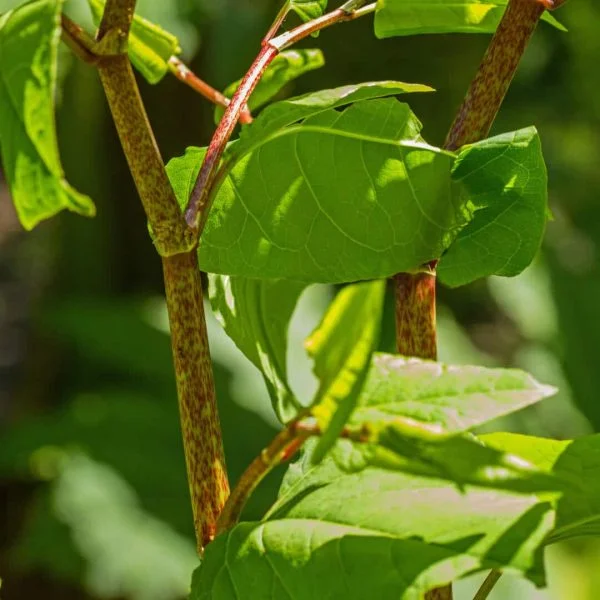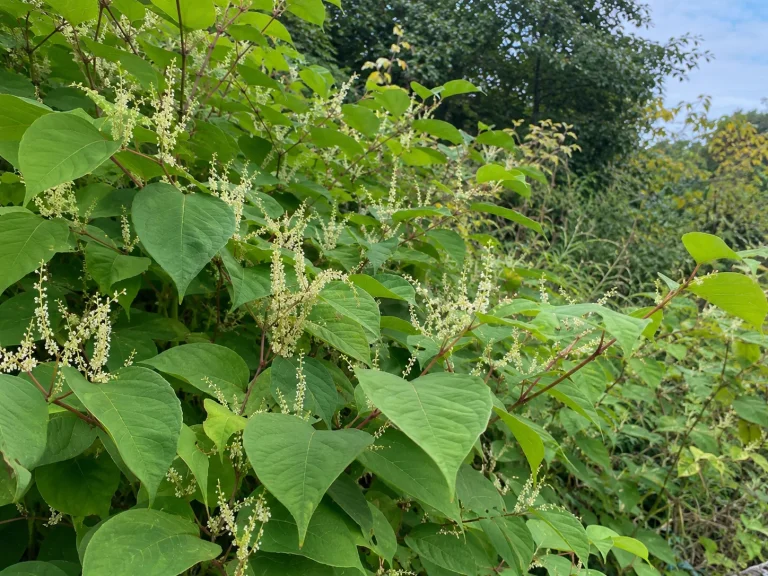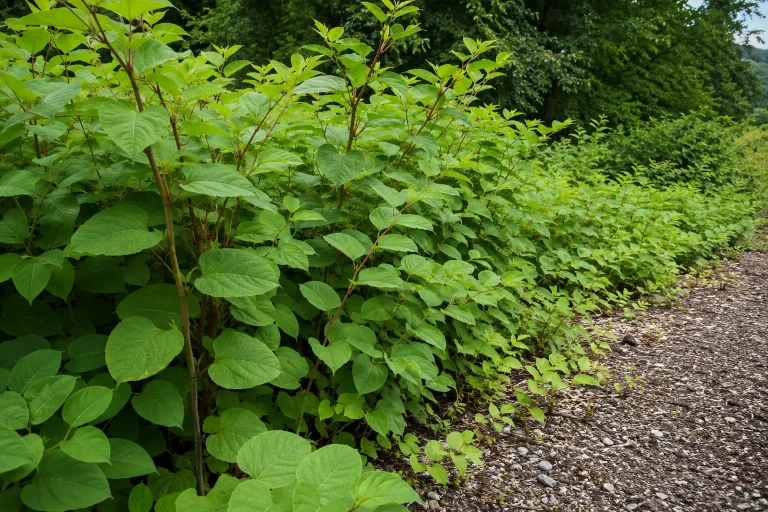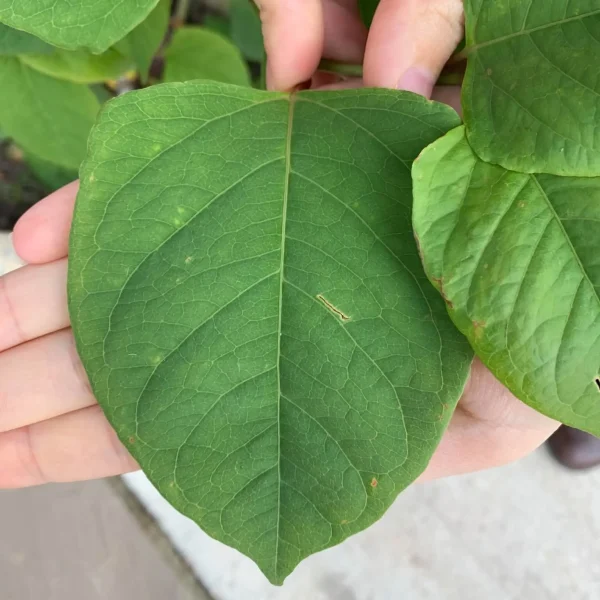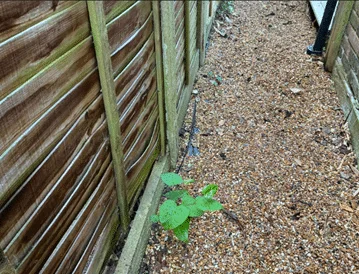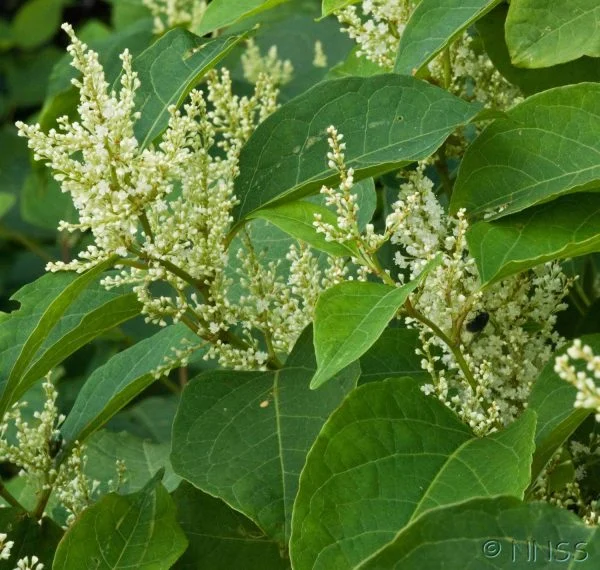
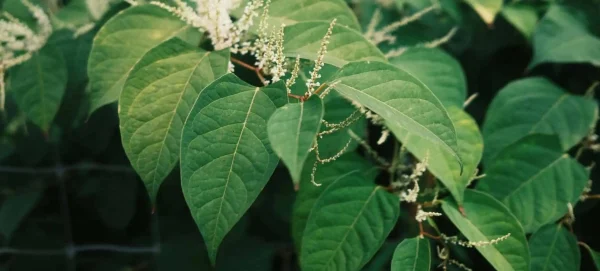








Most people don’t actively search for Japanese knotweed. It usually comes to light during due diligence — when a survey raises a concern, a buyer seeks reassurance, or a lender requests confirmation before proceeding. At that stage, uncertainty can have a bigger impact than the plant itself.
In Surrey, where many properties are detached and high-value, Japanese knotweed is treated as a due-diligence matter. Professionals assess and document its presence rather than leaving it to assumption, from then, if Japanese knotweed is present, removal services can be arranged.
In most cases, the outcome depends on how clearly the situation is documented when lenders or advisers raise questions.