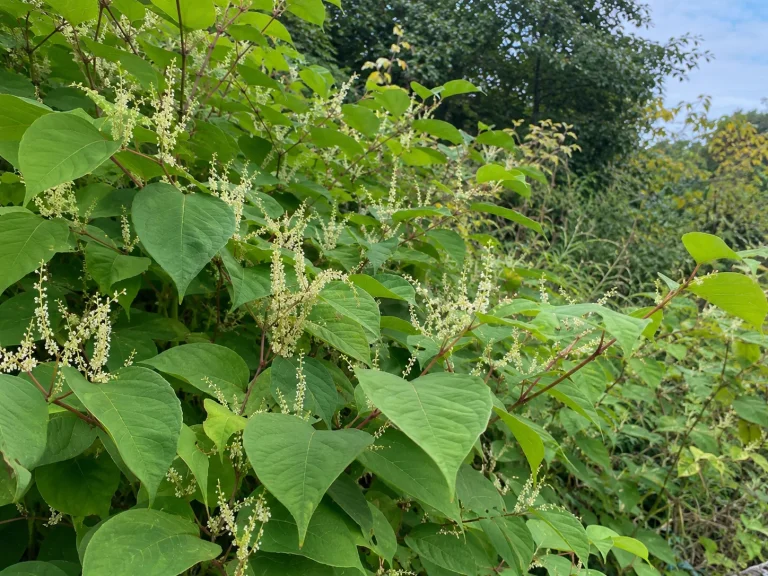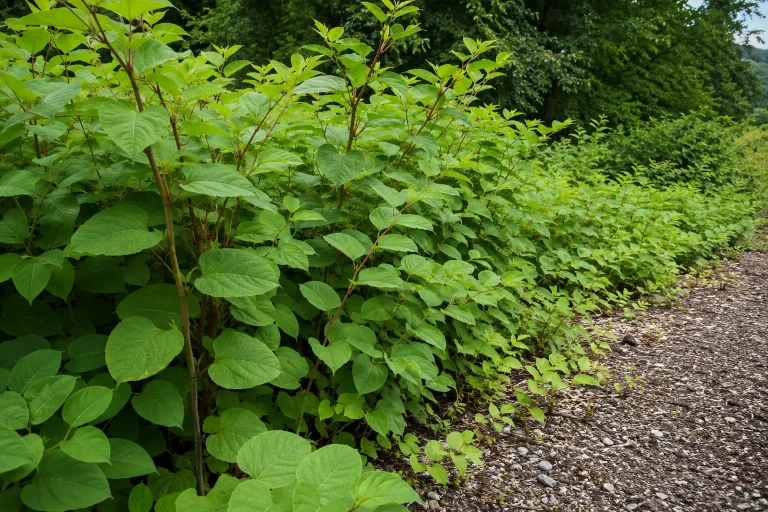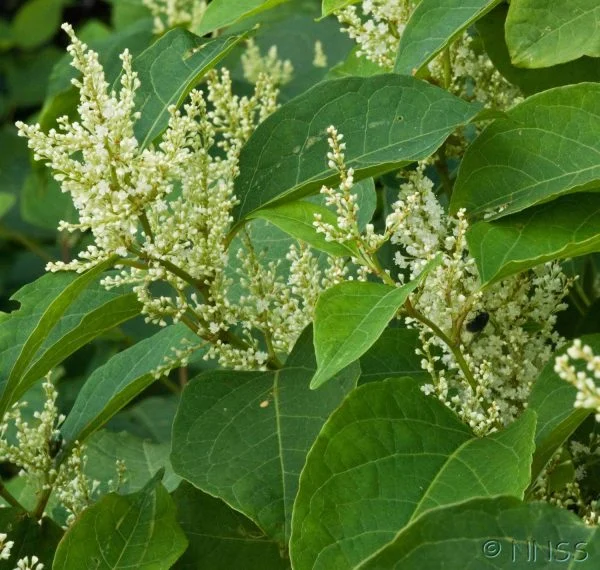
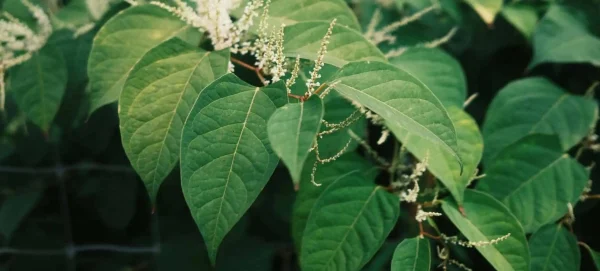







Japanese Knotweed in Merseyside

If you’re buying, selling, or dealing with land in Merseyside, Japanese knotweed, as an invasive plant species, is one of those issues that often doesn’t feel urgent — until it suddenly is.

  • ProHort logo
  • Laver Leisure logo
  • Persimmon logo
  • Accord Group logo
  • Sanctuary Housing logo
  • Don-Bur logo
  • St John Ambulance logo
  • Kloeckner Metals logo

Japanese Knotweed in Merseyside

Send Invasive Weed Details

Across Merseyside, redevelopment and infill sites often include a mix of brownfield plots, terraced housing, and changing urban areas. Many of these sites have neighbouring properties, former industrial land, and little open space, where underground constraints can be just as important as what’s visible above ground.

In these situations, we don’t assume Japanese knotweed is present. Instead, it’s usually found during site inspections, feasibility studies, or environmental assessments. The main focus is on how the invasive weed presence affects site constraints, project scheduling, and planning decisions—not the plant itself.

On constrained or mixed-use sites, uncertainty can quickly create risks for the project schedule or planning. Until the situation is clear, assumptions can take over—slowing feasibility assessments, inviting extra scrutiny, or forcing reactive decisions later in the development process.

Whether knotweed stays a manageable issue or becomes a problem usually depends on how early it is identified and addressed appropriately within the wider site context.
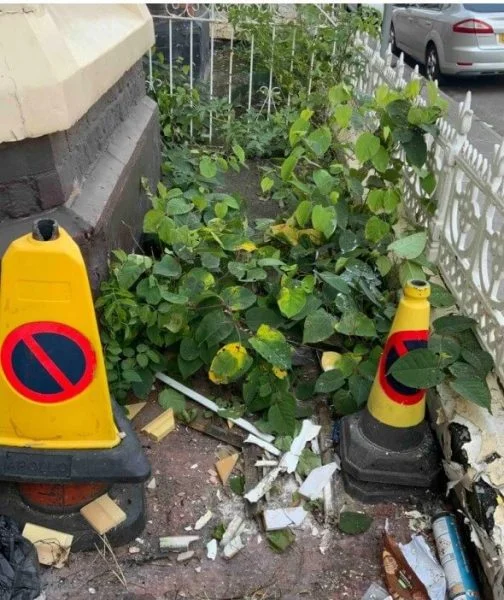
JK Require Action Merseyside

Knotweed Triggers in Merseyside

Across Merseyside, infill and redevelopment sites often include terraced housing, brownfield plots, and land adjacent to other uses. In these cases, Japanese knotweed is most commonly identified during:

Common trigger points include:

  • Site walkovers or environmental inspections
  • Feasibility reviews for redevelopment or change of use
  • Early planning assessments for adjacent or constrained plots

At this stage, the goal isn’t to remove Japanese knotweed immediately. It’s to understand where it is, how it affects the site and boundaries, and what impact it may have on feasibility, planning, and project scheduling.

JK Greater Manchester Hero Slide 1 dup

Why Early Clarity Makes a Difference​

Sites in Merseyside offer limited tolerance for uncertainty.

When we identify and map Japanese knotweed early, we can integrate constraints proportionately into feasibility and planning workstreams. If it appears late or goes undocumented, assumptions drive later queries, trigger extra scrutiny, and force reactive changes.

For developers, planners, and landowners in Merseyside, the main risk isn’t the knotweed itself—it’s unclear boundaries and unmanaged assumptions.

Reassurance — With Professional Boundaries

Book Site Survey

Japanese knotweed does not automatically prevent redevelopment, infill, or planning approval in Merseyside when its position is properly documented.

Unmanaged or unclear knotweed stands can draw extra scrutiny, especially on sites next to other plots or brownfield land. A clear assessment lets you manage constraints appropriately and make informed decisions without causing unnecessary issues.

Your Next Step

  1. Japanese knotweed

    Step 1

    Confirming whether a formal assessment is required

    We establish whether a formal Japanese knotweed assessment is actually needed, based on your specific situation rather than assumptions.

  2. Jk

    Step 2

    Understanding how knotweed interacts with boundaries or neighbouring land

    We advise on what type of reporting would be appropriate, proportionate and acceptable to lenders, solicitors or planners.

  3. JK Found London

    Step 3

    Establishing documentation that protects future options

    By dealing with likely questions at the right stage, we help prevent delays, disputes or last-minute requests later in the process.

Merseyside Case Study

Site Context

A mixed-use brownfield site in Liverpool, featuring a terraced property with neighbouring land nearby, situated within a larger urban redevelopment area.

The Issue

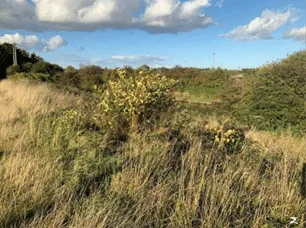
A site assessment found a single Japanese knotweed stand of about 8 m². Growth on neighbouring land created the potential for boundary interaction and wider site constraints. Its location highlighted the need to clearly define site limitations for redevelopment and planning.

JK Case Study Merseyside

Assessment & Response

The assessment established the stand’s extent, maturity, and relationship to neighbouring properties to inform feasibility and programme considerations. This allowed the knotweed-related constraint to be formally recorded for planning and development purposes.

Outcome

By clarifying the situation early, the knotweed constraint was defined for feasibility and project planning. This allowed informed decisions about site use and scheduling without relying on assumptions.

P35 Hero Slide 3 dup

Japanese Knotweed in Merseyside Frequently Asked Questions

Does Japanese Knotweed prevent development in Merseyside?

No. Japanese Knotweed does not automatically block development. When it is properly identified, assessed, and managed, construction and site works can proceed in line with planning, environmental, and local authority requirements.

Why does knotweed often appear during feasibility or due diligence in Merseyside?

On urban and brownfield sites, knotweed is typically detected through site inspections, Phase 1 environmental assessments, or desk-based reviews. Early identification allows developers to plan around constraints before committing to a programme.

Is proximity to waterways, railways, or former industrial land a concern in Merseyside?

Yes. Sites adjacent to rivers, canals, docks, railway corridors, or former industrial land are often scrutinised more closely, as unmanaged disturbance can increase the risk of knotweed spreading beyond the site boundary.

Do Merseyside planners require knotweed treatment before granting consent?

Not always. However, local planning authorities usually expect that the risk is understood and appropriately managed, particularly where neighbouring land or future development could be affected.

Can knotweed impact construction sequencing or site access in Merseyside?

Yes. Exclusion zones, monitoring requirements, or control measures may need to be factored into construction sequencing to avoid delays, compliance issues, or disruption later in the project.

Is immediate removal always necessary on Merseyside sites?

No. The best approach depends on infestation extent, location, and project timing. In some cases, phased management or control can be carried out alongside development works.

Who relies on the Japanese Knotweed assessment in Merseyside?

Developers, planners, environmental consultants, funders, and project managers all rely on documented findings when making informed decisions about site development, risk management, and programme planning.

What are the risks of ignoring knotweed at the planning stage in Merseyside?

Failing to address knotweed early can lead to delays, additional scrutiny, or reactive measures later in the project — often resulting in higher costs and reduced flexibility.

Book a professional survey today

If Japanese knotweed is affecting your home, land or development site, our experienced Japanese knotweed specialists can provide a clear route forward. We offer professional Japanese knotweed removal, targeted Japanese knotweed treatment and full Japanese knotweed excavation where faster remediation is required.

Contact Japanese Knotweed Expert for specialist advice, management plans and professional Japanese knotweed removal across England and Wales.

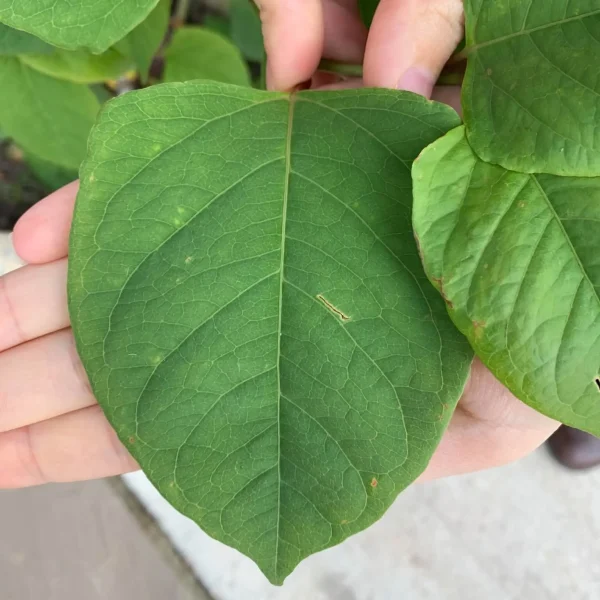
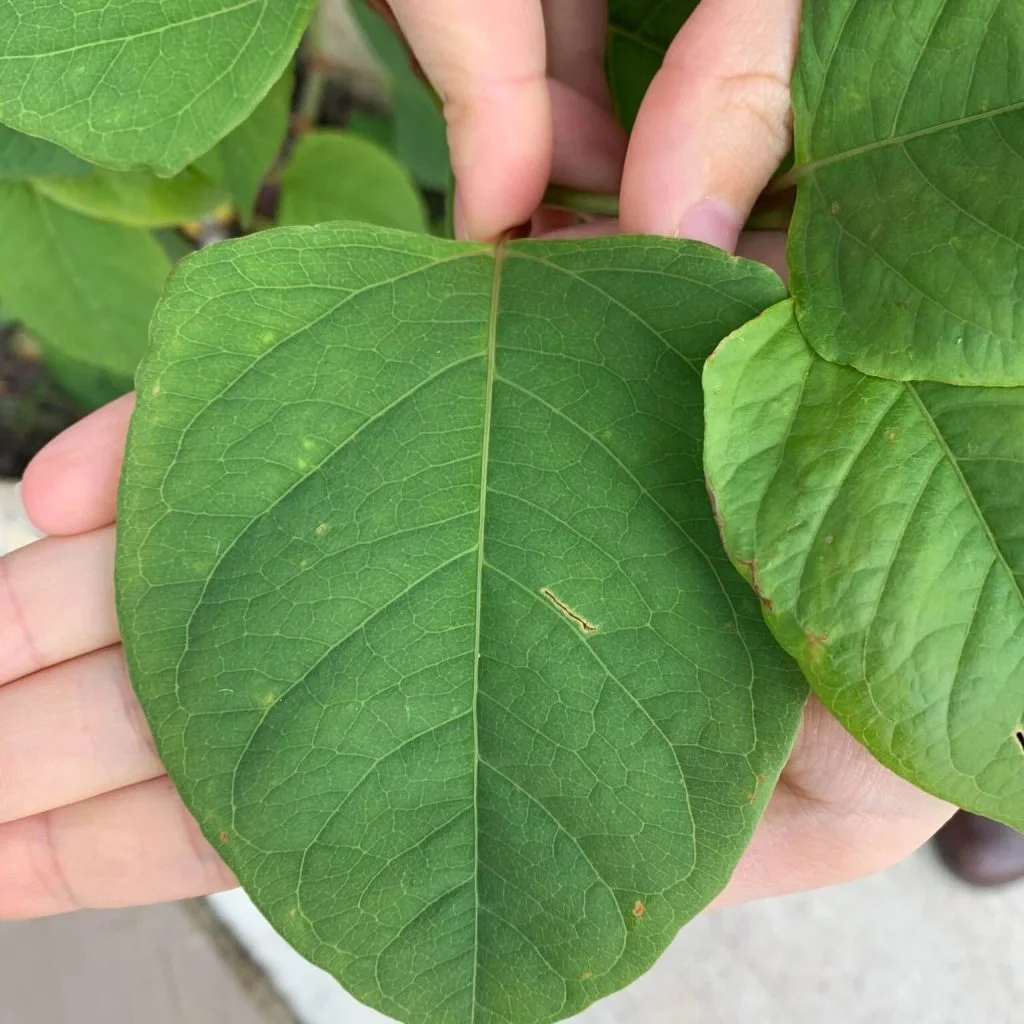
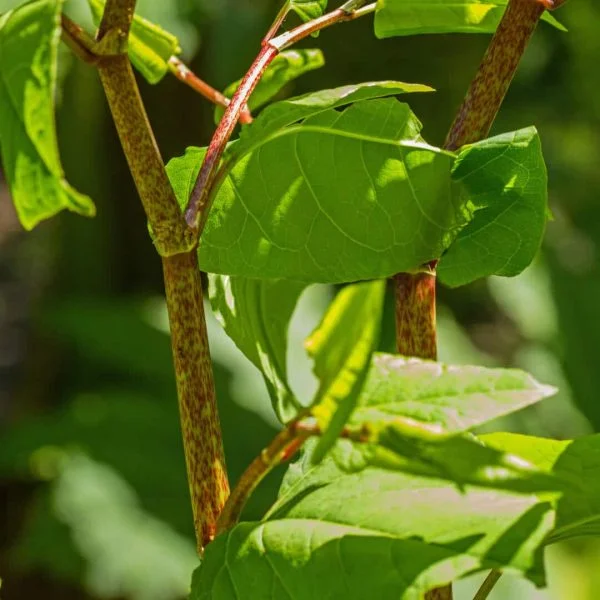
Japanese Knotweed heart shaped leaf rk9abn0zsp0vwtndpedcmjqlt0g4rx5i7g2v0he328

Request a Japanese Knotweed Survey

Request a Japanese Knotweed Survey

Maximum file size: 16.78MB