






Japanese Knotweed Removal in London

If you’re buying, selling, developing or managing property in London, Japanese knotweed can become a major problem. With over 25 years of experience we can quickly, efficiently and cost effectively remove this problem for you.

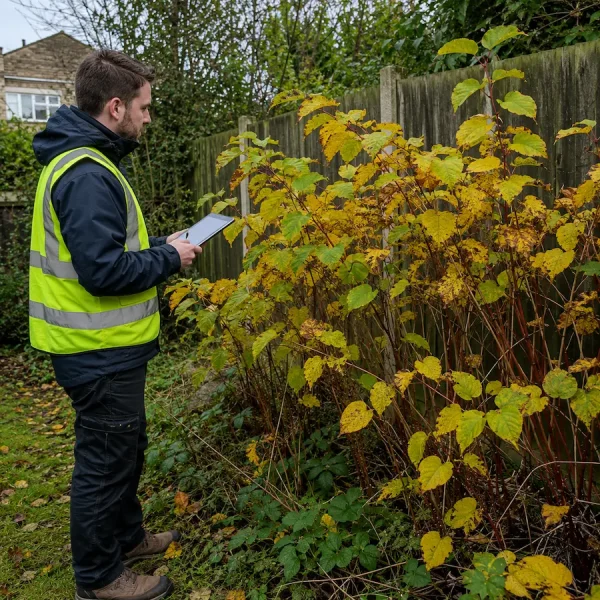
Typically surveys can be conducted in 48 hours and reports within the same working day.

That report (management plan) provides the evidence needed to determine the most appropriate Japanese knotweed treatment or removal strategy, while giving solicitors, lenders, buyers and other parties a documented record of how the infestation will be managed.

  • ProHort logo
  • Laver Leisure logo
  • Persimmon logo
  • Accord Group logo
  • Sanctuary Housing logo
  • Don-Bur logo
  • St John Ambulance logo
  • Kloeckner Metals logo

What Happens When Japanese Knotweed Is Found in London?

Send Invasive Weed Details

Japanese Knotweed Expert provides professional Japanese knotweed surveys, removal, treatment and management across London, working with homeowners, landlords, landowners, commercial organisations and developers in areas including Kensington and Chelsea, Hammersmith and Fulham, Hillingdon, Barnet, Croydon, Greenwich and Wandsworth.

The right removal approach depends on the site.

A residential infestation in Notting Hill or Fulham may involve a boundary shared with neighbouring gardens, while a commercial or development site in Stratford, Croydon or Hillingdon may need to be excavated but in coordination with demolition or construction works.

Where time allows, a structured herbicide treatment programme is usually recommended. However, where development or other groundworks need to proceed sooner, excavation can provide a faster route to dealing with the affected area.

In either case, a professional Japanese knotweed survey is the essential first step. Carried out by a suitably qualified, PCA-accredited specialist, it confirms the extent of the infestation, gives solicitors, lenders and other parties the documented evidence they may require, and provides the foundation for an appropriate management plan, whether that be herbicide treatment or excavation.
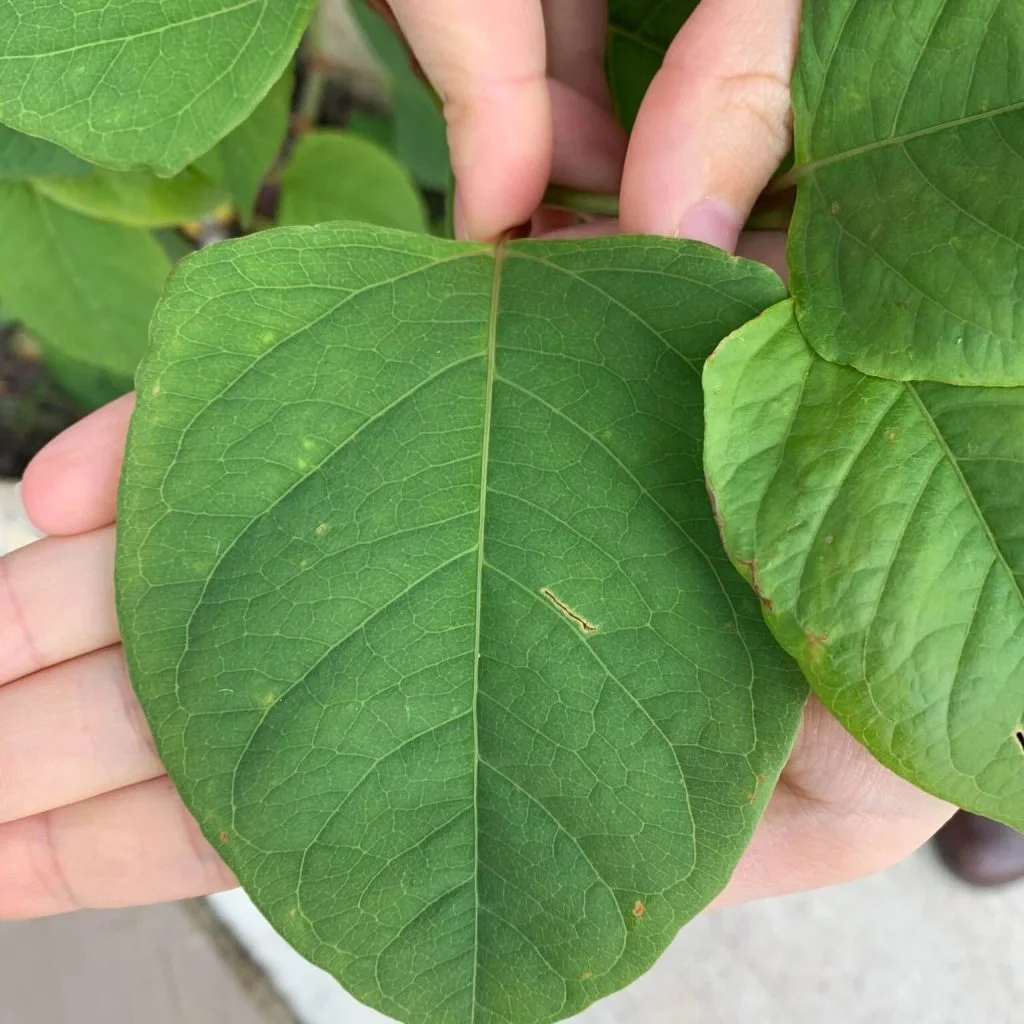
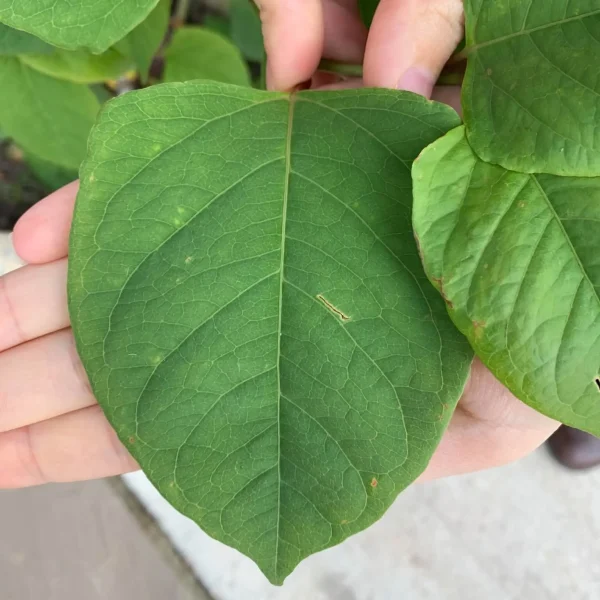
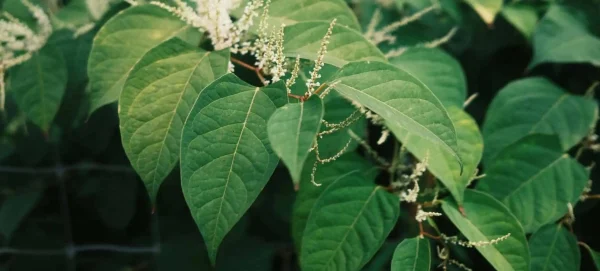
Japanese Knotweed heart shaped leaf rk9abn0zsp0vwtndpedcmjqlt0g4rx5i7g2v0he328

When Japanese Knotweed is Close to a boundary

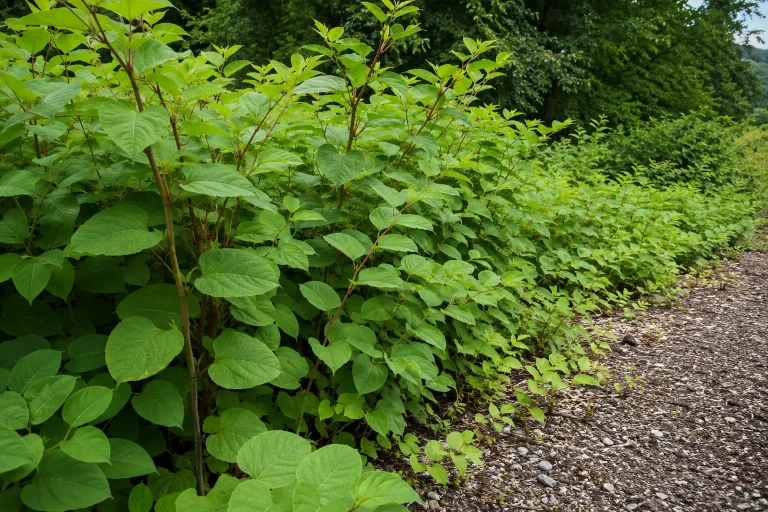
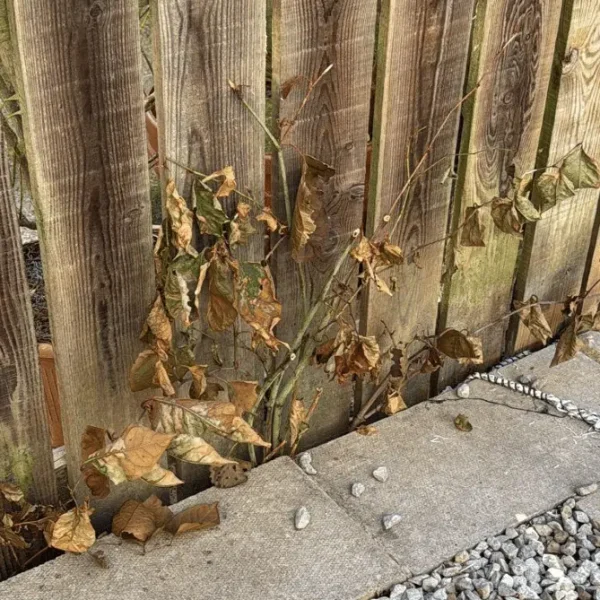
A Japanese knotweed infestation around Camden, Islington, Hackney, Battersea or Wimbledon often sit close to a neighbouring garden or shared boundary at residential properties. In these instances, understanding how far the infestation extends can be just as important as treating the visible growth.

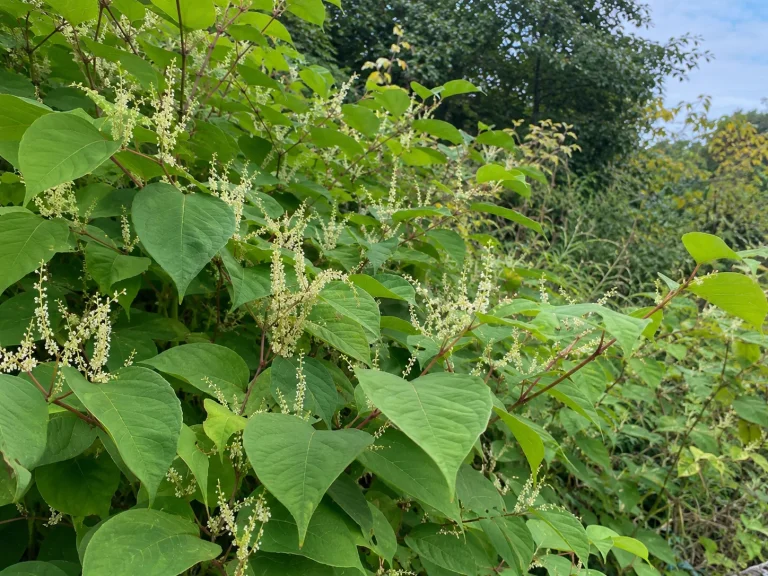
The visible stems only tell part of the story. Japanese knotweed spreads through an underground rhizome system, which can extend beyond the growth seen above ground.

This can be particularly relevant in areas dominated by terraced and semi-detached housing, such as Chiswick, Ealing, Tooting, Dulwich, Muswell Hill, Crouch End and Leytonstone, where neighbouring gardens and property boundaries may sit very close together.

Herbicide treatment works well because of the nature Japanese knotweed has in rapidly spreading. Many other types of residential properties benefit from herbicide treatment as the preferred method of Japanese knotweed removal in and around London, especially where the site can remain undisturbed, including gardens in more suburban areas situated in Barnet, Enfield, Richmond, Bromley or Sutton.

Where more than one property is affected, understanding the wider infestation footprint helps establish a more realistic treatment plan and reduces the risk of continuing cross-boundary spread as well as the potential for litigation by neighbours due to encroachment.

JK Boundary London

Japanese Knotweed on Commercial and Development Sites

Free Photo Identification

On commercial and development sites, the main questions are typically about whether Japanese knotweed and the surrounding affected soil will have an impact on foundations, drainage, new services or future landscaping.

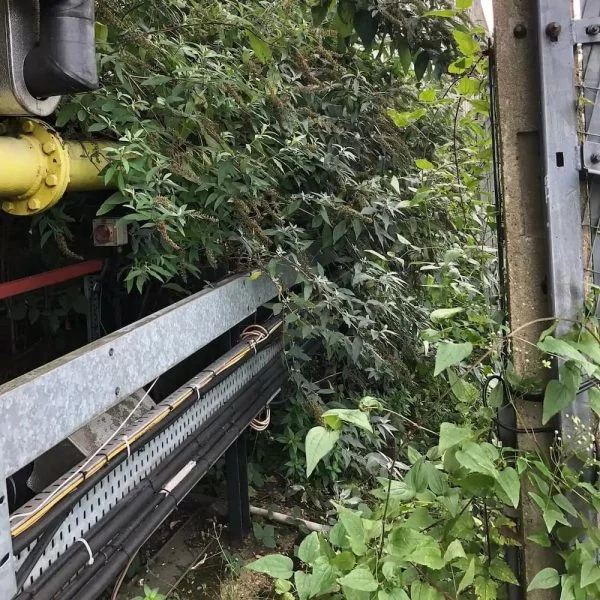
A small infestation can become a much larger operational issue if it sits where foundations, access roads, service trenches or landscaping is due to take place. This is particularly relevant across parts of East London, the Docklands, Greenwich, Stratford, Barking and Dagenham, where former industrial land, redevelopment sites and heavily disturbed ground are common features of the urban landscape. In areas where it is typical to add home extensions, Japanese Knotweed excavation or chemical treatment should begin before any building work takes place. Where we have been the first contractor on sites across Newham, Greenwich, Tower Hamlets or parts of Southwark, it has prevented the accidental spread of the Japanese knotweed across the site.

The important thing is to make that decision early, rather than discovering the conflict once machinery is already on site and affected soil is being moved.

Japanese Knotweed and Your London Property or Site

Book Site Survey

What happens next depends on the property, the extent of the Japanese knotweed infestation and what you need to do with the site.

Japanese Knotweed and Your London Property or Site
Situation What needs to be considered
Selling a property If Japanese knotweed is identified during a sale, the buyer, solicitor, or lender may ask for evidence showing the extent of the infestation, its management category, the proposed treatment or removal strategy and how the work will be funded and completed. To satisfy these requirements, we provide a specialist survey, a Japanese Knotweed Management Plan, treatment schedule, contractor details, guarantees and evidence of ongoing monitoring. Providing this information early can reduce the risk of last-minute enquiries, mortgage delays or renegotiation once an offer has already been agreed.
Buying a property A buyer needs to understand where the Japanese knotweed is located, how extensive it is, whether neighbouring land is affected, what remediation is proposed and what the likely cost and timescale will be. These factors may also influence the valuer's assessment of the property. RICS guidance recognises that Japanese knotweed can affect value, particularly where remediation costs, damage or loss of amenity are involved. Obtaining the specialist evidence early allows buyers to make an informed decision before becoming financially or legally committed.
Landlords and property managers Early investigation helps establish whether knotweed affects boundaries, shared areas or neighbouring properties and provides a structured plan for ongoing treatment and monitoring.
Commercial or development sites The knotweed management plan will account for construction timescales, excavation, affected soil, access and planned groundworks so that remediation can be coordinated with the wider project.

Japanese knotweed does not automatically prevent a property transaction or development in London. What matters is establishing the extent of the infestation early and putting an appropriate management, treatment or removal strategy in place.

This can be particularly important on densely developed sites in areas such as Kensington, Fulham, Camden and Wandsworth, where neighbouring properties and shared boundaries may be close, or on development sites in Stratford, Greenwich, Croydon and Hillingdon, where knotweed remediation may need to fit around a wider construction programme.

How We Approach Japanese Knotweed in London

  1. Japanese knotweed

    Step 1

    Survey and Establish the Extent

    A professional Japanese knotweed survey confirms the location and visible extent of the infestation and considers its relationship with boundaries, neighbouring land, buildings and planned works. Where relevant, the likely extent of underground rhizome spread is also considered when planning the next steps.

  2. Jk

    Step 2

    Develop the Management and Remediation Plan

    Once the site conditions are understood, we determine the most appropriate approach. This may involve a structured herbicide treatment programme, excavation where a faster solution is required, or a combination of measures depending on the property and its future use.

  3. JK Found London

    Step 3

    Document and Implement the Strategy

    The agreed approach is set out within a clear management plan, providing a record of how the infestation will be treated, monitored or removed. Where a property transaction is involved, this documentation can also provide solicitors, lenders, buyers and other parties with the information they need to understand how the knotweed is being managed.

Japanese Knotweed Treatment in London: Case Study

Property and Site Context

A private detached property in London was found to have a single Japanese knotweed stand covering approximately 4 m². Although the visible infestation was relatively contained, its position close to the property boundary meant there was concern that the underground rhizome system could extend beyond the client’s land.

That boundary position was important. With Japanese knotweed, the visible stems above ground do not always show the full extent of the infestation, so the relationship with neighbouring land needed to be considered as part of the wider assessment.

What Was Found

The presence of Japanese knotweed became a significant issue during the sale of the property when the lender required documentation of the infestation and how it would be managed.

A professional assessment confirmed the extent of the visible stand and provided the basis for deciding what treatment was appropriate. The survey also helped establish the information needed to satisfy the parties involved in the transaction and reduce uncertainty around the property.

JK London Case Context

Treatment Programme and Management Plan

A structured herbicide treatment programme was recommended, using targeted spraying and stem injection with a glyphosate-based herbicide.

The proposed treatment was documented within a Japanese knotweed management plan, setting out how the infestation would be treated and monitored. This gave the property owner, lender and other parties a clear record of the management strategy enabling the mortgage lender to lend against the property.

The plan also provided the framework for managing the potential boundary-related risk associated with the infestation.

Removal Outcome

With the infestation professionally assessed and a documented treatment programme in place, the lender had the reassurance needed to continue with the transaction.

The property sale was therefore able to proceed with a clear management strategy in place, while the Japanese knotweed remained subject to an ongoing treatment programme.

The estimated cost of the recommended works was £5,114.20 + VAT, and came with a 10-year insurance backed guarantee. Further backed by the company’s professional indemnity insurance of 5 million.

JK London Case Findings

Japanese Knotweed Removal, Treatment and Management Across London

Free Photo Identification

Japanese Knotweed Expert provides professional Japanese knotweed surveys, removal, treatment and management throughout London for homeowners, landlords, landowners, commercial organisations and developers. We work across Central, North, South, East and West London, including Kensington and Chelsea, Westminster, Hammersmith and Fulham, Hillingdon, Barnet, Camden, Hackney, Greenwich, Croydon and Wandsworth, as well as surrounding districts such as Notting Hill, Fulham, Hampstead, Chiswick, Stratford, Wimbledon and Canary Wharf.

Every site is different. A small residential infestation close to a neighbouring garden may require a very different approach from Japanese knotweed affecting a redevelopment site or planned groundworks. Our role is to establish the extent of the infestation, provide a clear management plan and recommend the most appropriate treatment or removal strategy for the site and the timescale involved.

If Japanese knotweed has been identified or is suspected at a London property or development site, contact our specialist team to arrange a professional survey and establish the right next step.

Japanese Knotweed in London Frequently Asked Questions

Do you provide Japanese Knotweed excavation services in London?

Yes. We provide professional Japanese Knotweed excavation and removal across Greater London, including Central London, North, South, East, and West London boroughs. We work on residential homes, commercial properties, and redevelopment sites of all sizes.

Is Japanese Knotweed a common problem in London?

Japanese Knotweed is frequently found in London, particularly along canal banks, riverfronts, railway lines, brownfield sites, and older housing estates. Dense urban development and historic industrial land make the city highly susceptible to infestations.

What is the cheapest way to treat Japanese knotweed?

The cheapest way is to spray and/or inject the JK, this is a 3 year plan with 2 years of monitoring and is covered by a 10 year insurance backed guarantee.

When is excavation the preferred method in London?

Excavation is recommended in London when:

  1. A property sale or mortgage is in progress
  2. Knotweed is close to buildings, foundations, or drainage systems
  3. Development or refurbishment work is planned

Excavation provides a rapid and permanent solution, which is often required for lenders and solicitors.

How is Japanese Knotweed waste disposed of in London?

All excavated knotweed is classified as controlled waste. It is transported by licensed waste carriers and disposed of at approved landfill sites, ensuring full compliance with London Borough waste regulations and national environmental guidelines.

Will excavation affect neighbouring properties in London?

Before any excavation, we perform a site-specific risk assessment, which is particularly important in London’s dense residential areas, terraced housing, and properties near public land or shared boundaries. Work is carefully managed to prevent spread and minimise disruption.

Do you provide guarantees for Japanese Knotweed excavation in London?

Yes. All excavation projects in London can be supplied with a long-term company guarantee, with the option of an insurance-backed guarantee. These guarantees are recognised by mortgage lenders, solicitors, and surveyors for property transactions.

Is Japanese Knotweed Eradication in London possible?

A professional Japanese knotweed survey establishes the extent of the infestation and informs the appropriate management plan. Depending on the site, this may involve a structured herbicide treatment programme, excavation and removal of affected material, or a combination of methods.

As a PCA-accredited Japanese knotweed specialist, we use precise terminology within our reports that reflects the treatment, management or removal method being recommended.

Book a professional survey today

If Japanese knotweed is affecting your home, land or development site, our experienced Japanese knotweed specialists can provide a clear route forward. We offer professional Japanese knotweed removal, targeted Japanese knotweed treatment and full Japanese knotweed excavation where faster remediation is required.

Contact Japanese Knotweed Expert for specialist advice, management plans and professional Japanese knotweed removal across England and Wales.

Japanese Knotweed heart shaped leaf rk9abn0zsp0vwtndpedcmjqlt0g4rx5i7g2v0he328

Request a Japanese Knotweed Survey

Request a Japanese Knotweed Survey

Maximum file size: 16.78MB