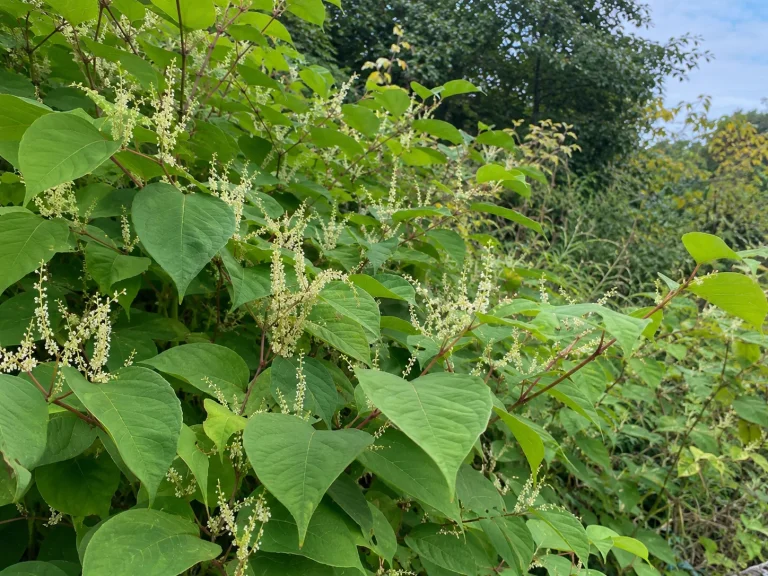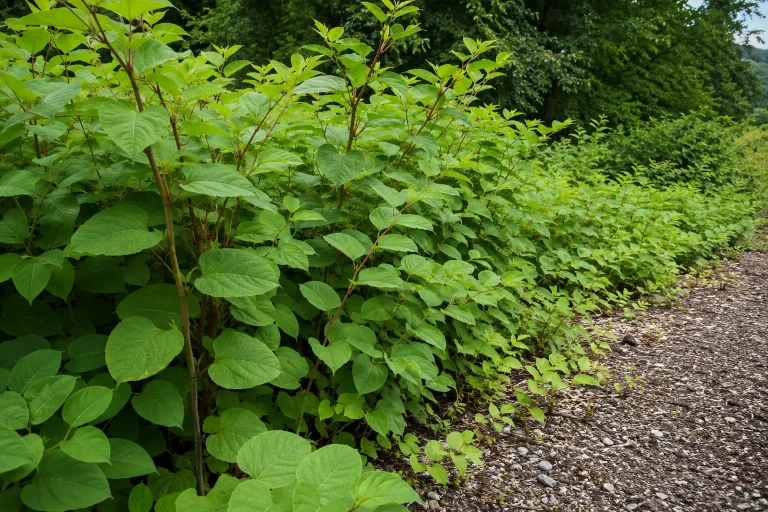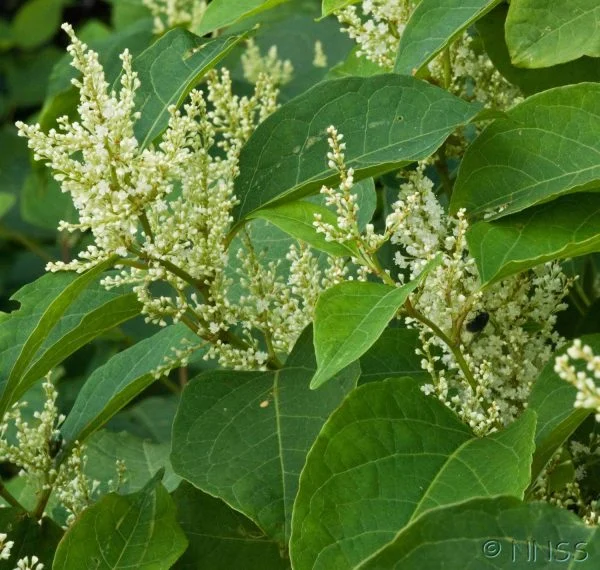
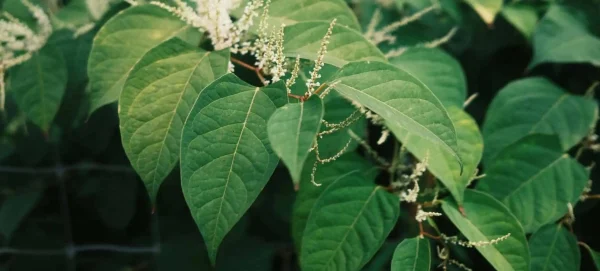






Japanese Knotweed in Lancashire

If you’re buying, selling, or managing a home in Lancashire, Japanese knotweed, as an invasive plant species, is usually spotted during surveys or formal inspections rather than through routine observation. It often comes to light once a transaction is underway and professional reassurance is needed.

  • ProHort logo
  • Laver Leisure logo
  • Persimmon logo
  • Accord Group logo
  • Sanctuary Housing logo
  • Don-Bur logo
  • St John Ambulance logo
  • Kloeckner Metals logo

Does Knotweed Require Action?

Send Invasive Weed Details

Most people don’t actively look for Japanese knotweed. It usually comes up during due diligence — when a survey raises a concern, a buyer asks for reassurance, or a lender requests confirmation. At that stage, uncertainty can be more important than the plant itself.

Lancashire has many terraced and closely spaced homes, where boundaries are close. Here, Japanese knotweed is treated as a due-diligence issue, identified and managed through professional assessment rather than assumed.

In most cases, the outcome depends less on the plant itself and more on how clearly the situation is documented when questions arise.
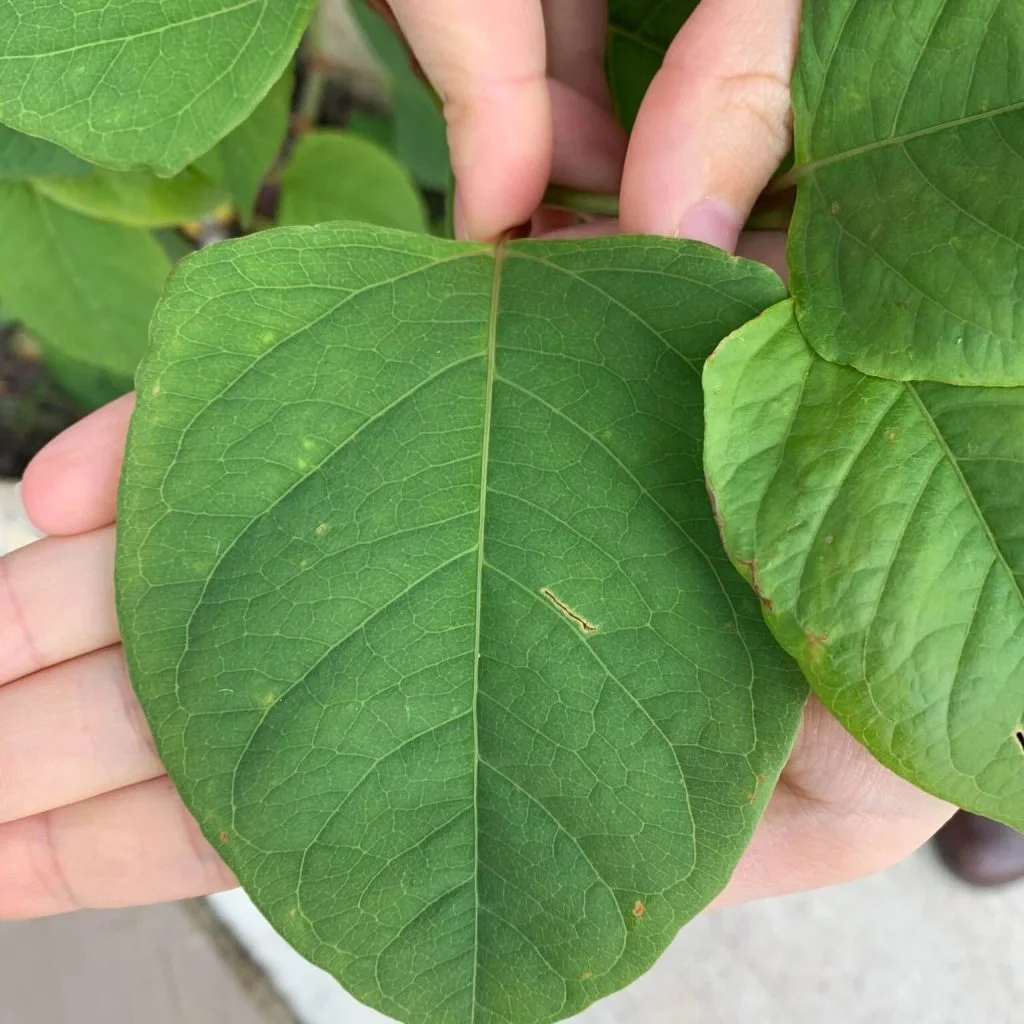
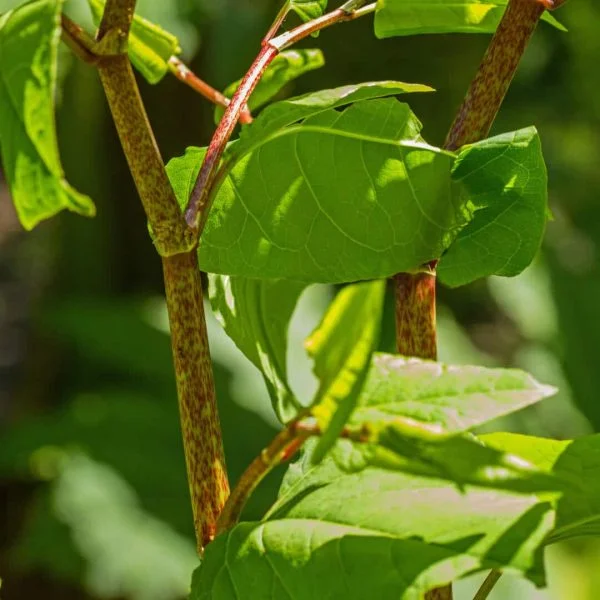
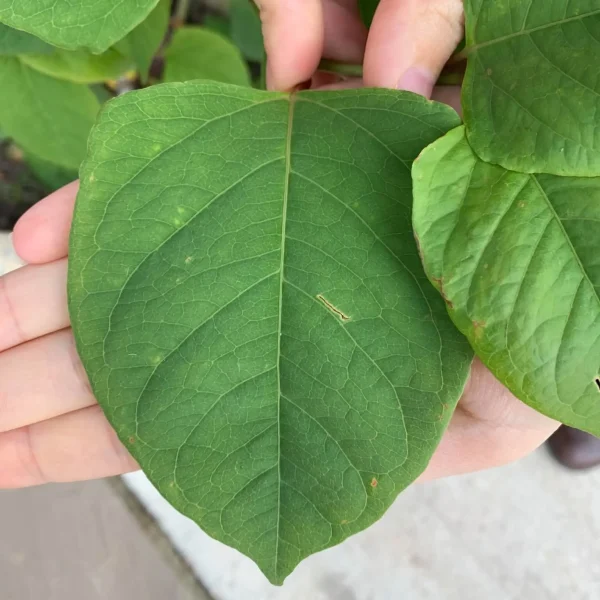
Japanese Knotweed heart shaped leaf rk9abn0zsp0vwtndpedcmjqlt0g4rx5i7g2v0he328

Knotweed Triggers in Lancashire

In Lancashire, routine checks often uncover Japanese knotweed, as an invasive plant species, rather than sites being assumed to be affected.

Common trigger points include:

  • A surveyor identifying potential growth during inspection
  • Buyer enquiries raised during conveyancing
  • Requests for reassurance before a mortgage offer is confirmed

Delays typically occur when information is incomplete, not when a confirmed and documented position is already in place.

JK Greater Manchester Hero Slide 1 dup

Why Early Clarity Makes a Difference

Addressing knotweed early allows it to be managed efficiently, keeping projects on schedule. If issues emerge later—especially after offers are accepted—they can cause delays and increase scrutiny. Japanese knotweed infestations can impact property value, causing substantial financial implications, so if present, it needs to be identified promptly.

In terraced and high-density housing areas common in Lancashire, unclear boundaries of knotweed spread can quickly raise concerns for buyers if not properly assessed and documented.

What This Means

Book Site Survey

Clear evidence early preserves options later.

What This Means
Situation Why clarity is needed
Selling a property Buyers or their advisers may request confirmation before proceeding.
Buying a property Early identification avoids complications after commitment.
Land or development sites Boundary and neighbouring land considerations need clear documentation.

Japanese knotweed does not automatically prevent property transactions in Lancashire when it is properly assessed and managed.

Unanswered questions—especially when neighbouring land is involved—often draw extra scrutiny from surveyors, buyers, or lenders at the most inconvenient stage.

Your Next Step

  1. Japanese knotweed

    Step 1

    Confirming whether assessment is required

    We establish whether a formal Japanese knotweed assessment is actually needed, based on your specific situation rather than assumptions.

  2. Jk

    Step 2

    Understanding what documentation buyers or lenders are likely to request

    We advise on what type of reporting would be appropriate, proportionate and acceptable to lenders, solicitors or planners.

  3. JK Found London

    Step 3

    Addressing likely questions before they become obstacles

    By dealing with likely questions at the right stage, we help prevent delays, disputes or last-minute requests later in the process.

Lancashire Case Study

Site Context

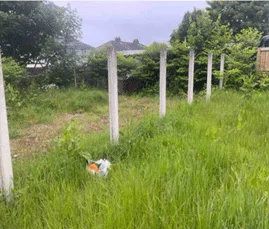
A private end-terraced home in Lancashire has two Japanese knotweed stands—approximately 28 m² and 18 m²—growing along the rear garden boundary and within a neighbouring garden, with visible growth also on surrounding properties.

The Issue

Because several affected areas were so close together, there was a high risk that underground roots and rhizomes extended beyond the client’s boundary, raising concerns for potential buyers.

JK Case Study Lancashire

Assessment & Response

A professional assessment confirmed both knotweed stands and highlighted the cross-boundary risk. A treatment programme—combining targeted spraying and stem injection with a glyphosate-based herbicide—was specified and formally documented.

Outcome

The documented management plan addressed both on-site growth and cross-boundary risks, giving reassurance for the transaction. Treatment costs were estimated at £5,109.20 + VAT.

P35 Hero Slide 3 dup

Japanese Knotweed in Lancashire Frequently Asked Questions

Do you provide Japanese Knotweed excavation services across Lancashire?

Yes. We carry out Japanese Knotweed excavation and removal throughout Lancashire, including Preston, Blackburn, Blackpool, Burnley, Lancaster, Chorley, and Accrington. We work on residential properties, commercial sites, and large development land.

Is Japanese Knotweed a known issue in Lancashire?

Japanese Knotweed is well established across Lancashire, particularly near canal networks, rivers, railway corridors, coastal land, and former mill or industrial sites. Historic ground movement and redevelopment have contributed to its spread across the county.

When is excavation the most suitable solution in Lancashire?

Excavation is commonly recommended in Lancashire when:

  1. A property sale, purchase, or mortgage is time-sensitive
  2. Knotweed is encroaching on buildings, retaining walls, or drainage systems
  3. Groundworks or redevelopment are planned

Excavation offers a permanent and immediate solution, removing all affected soil and plant material.

How is Japanese Knotweed waste handled in Lancashire?

All excavated Japanese Knotweed material is classed as controlled waste. It is transported using licensed waste carriers and disposed of at approved landfill facilities authorised to accept invasive plant waste, in line with Lancashire and UK regulations.

Will excavation impact neighbouring properties or shared land?

Prior to excavation, a site-specific risk assessment is completed, especially for Lancashire’s terraced housing areas, shared boundaries, and sites close to waterways or public land. All works are carefully controlled to prevent spread and minimise disruption.

Do you provide guarantees for excavation work in Lancashire?

Yes. Our Japanese Knotweed excavation projects in Lancashire can include a long-term company guarantee, with the option of an insurance-backed guarantee. These are widely accepted by surveyors, solicitors, and mortgage lenders.

Book a professional survey today

If Japanese knotweed is affecting your home, land or development site, our experienced Japanese knotweed specialists can provide a clear route forward. We offer professional Japanese knotweed removal, targeted Japanese knotweed treatment and full Japanese knotweed excavation where faster remediation is required.

Contact Japanese Knotweed Expert for specialist advice, management plans and professional Japanese knotweed removal across England and Wales.

Japanese Knotweed heart shaped leaf rk9abn0zsp0vwtndpedcmjqlt0g4rx5i7g2v0he328

Request a Japanese Knotweed Survey

Request a Japanese Knotweed Survey

Maximum file size: 16.78MB