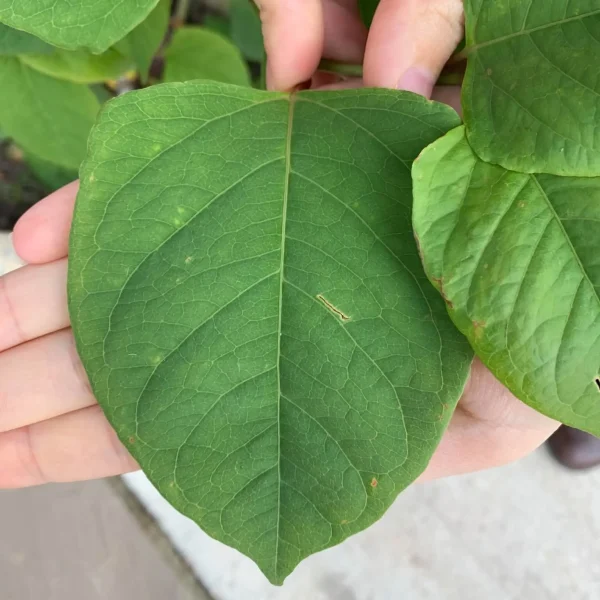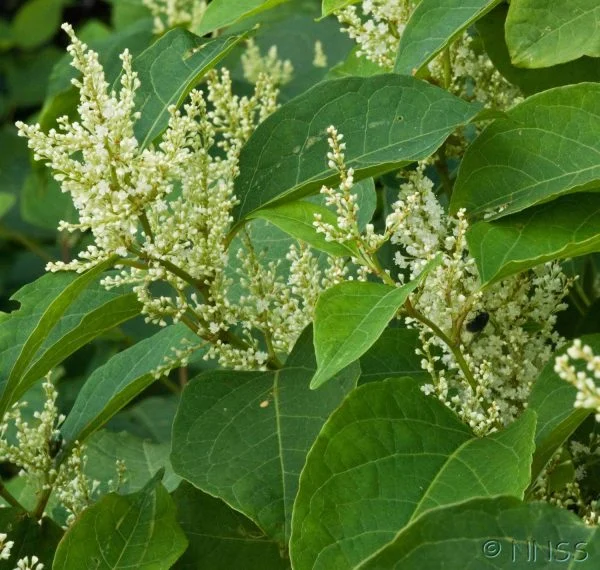
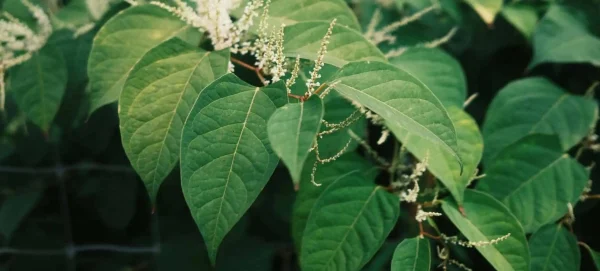








Japanese knotweed rarely comes to light by chance. It’s usually identified during the due diligence process — when a survey highlights a concern, a buyer seeks reassurance, or a lender requests confirmation before proceeding. At that point, uncertainty can become more problematic than the plant itself.
Across Hampshire — from large detached properties to suburban homes and smaller gardens — professionals treat Japanese knotweed as a matter for formal assessment. Clear, documented evidence is what keeps property transactions and disclosure obligations moving forward smoothly.