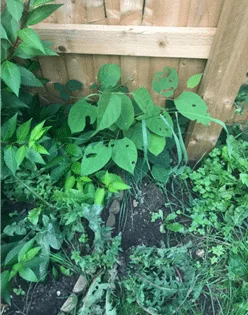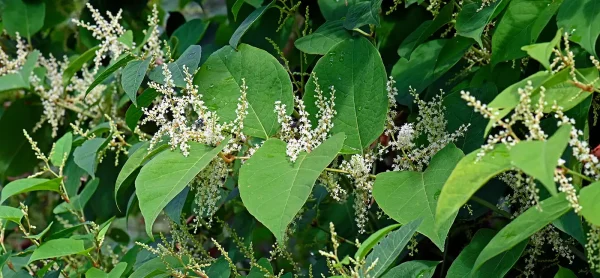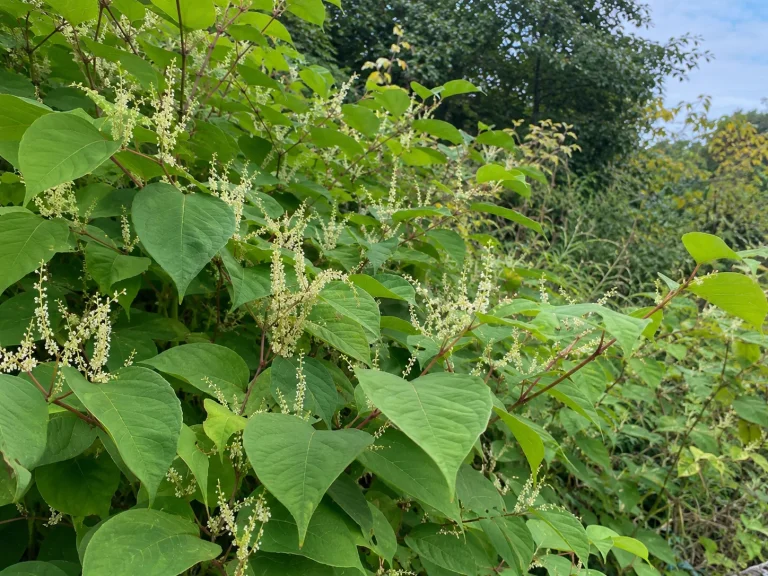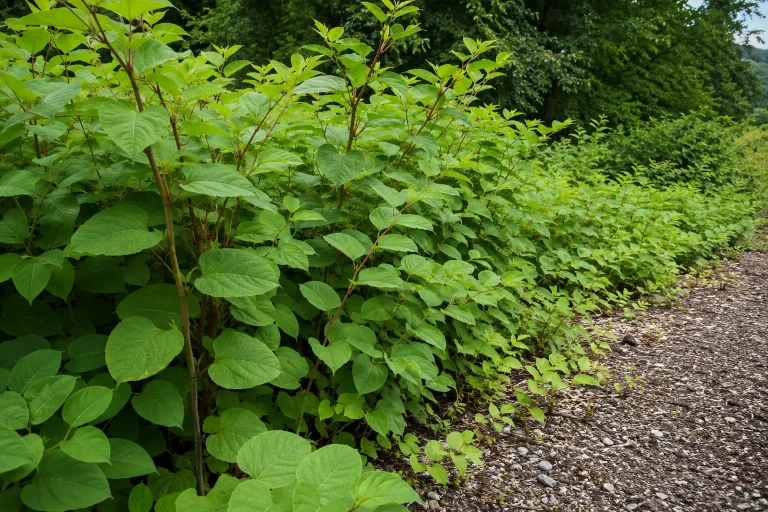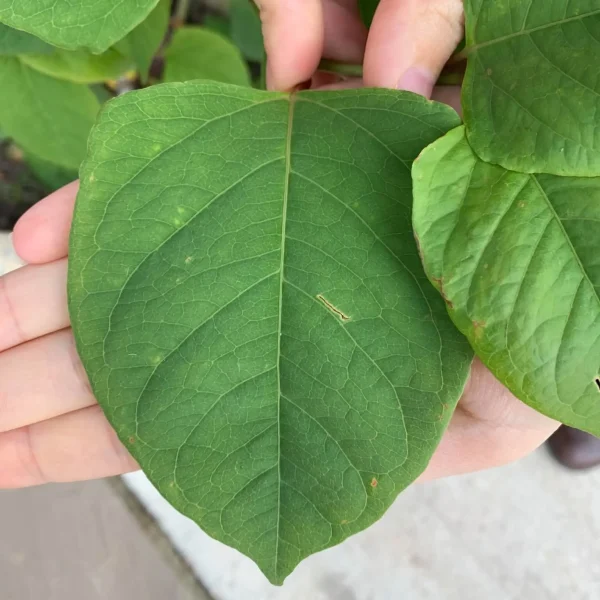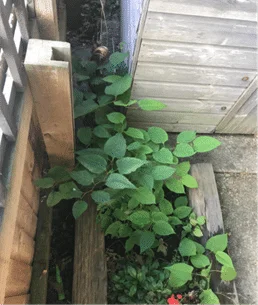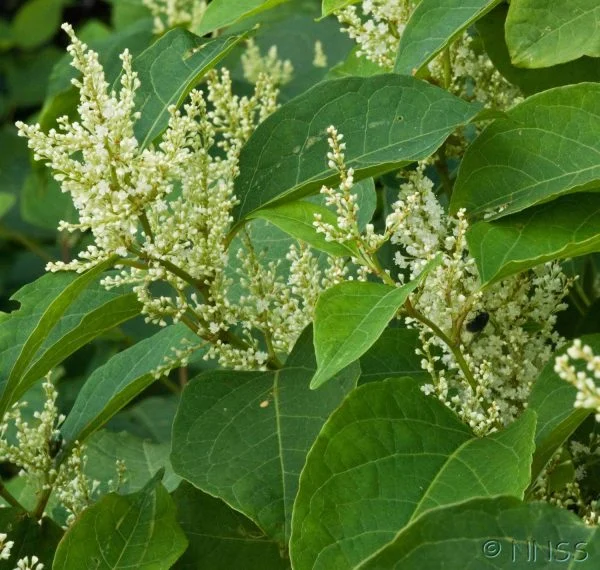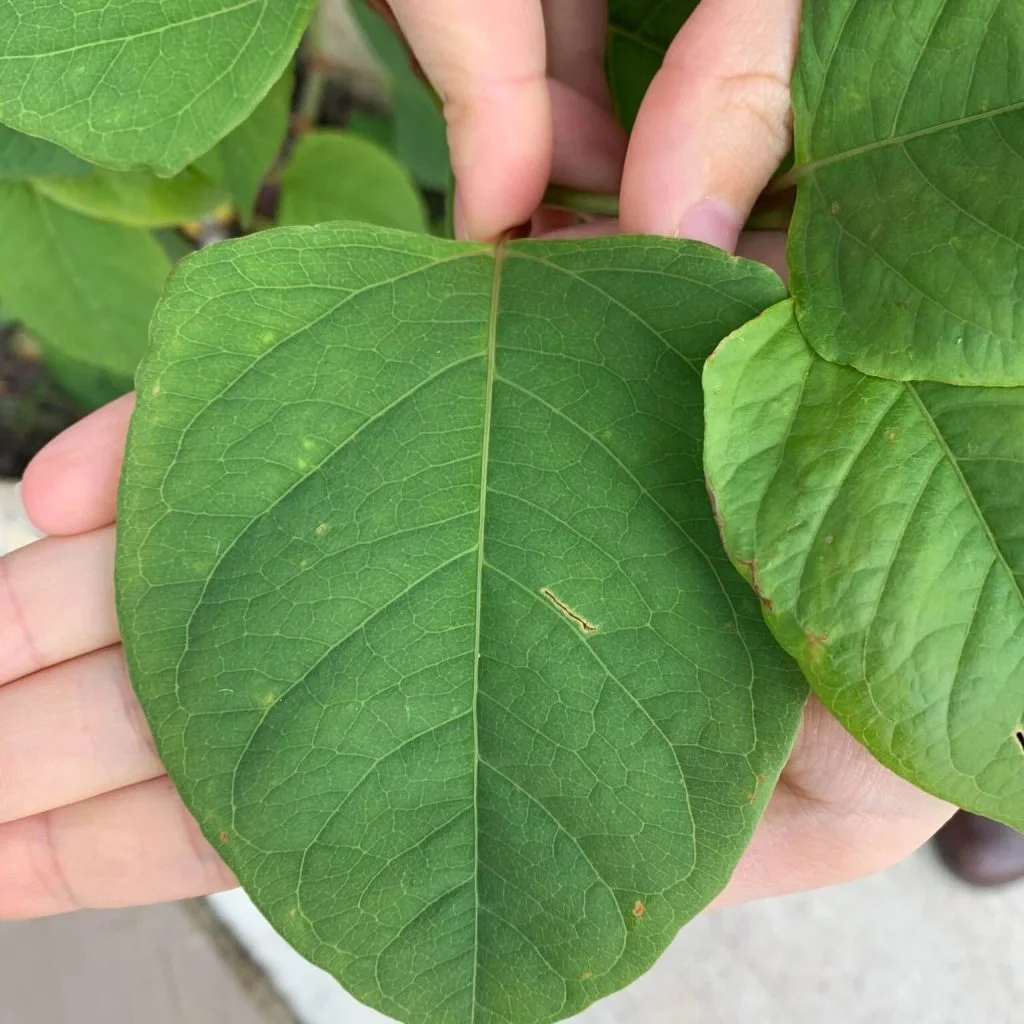
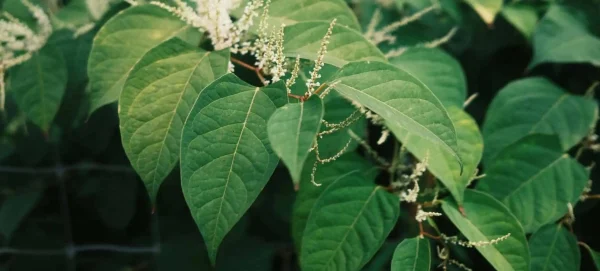








Knotweed usually comes to light during due diligence—through a survey, a buyer’s concern, or a lender’s request for confirmation. At this stage, the uncertainty it creates can be more significant than the plant itself.
In Gloucestershire, housing includes both older terraced streets and long-established plots. In these areas, Japanese knotweed is treated as a due-diligence issue and identified through professional surveys rather than assumed. In transactions involving these properties, the focus is on providing clear, lender-ready documentation.
The outcome usually depends on how early the situation is clarified and how clearly it is documented.