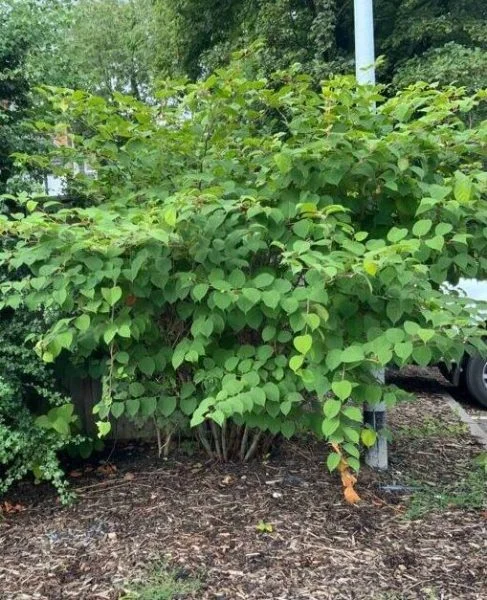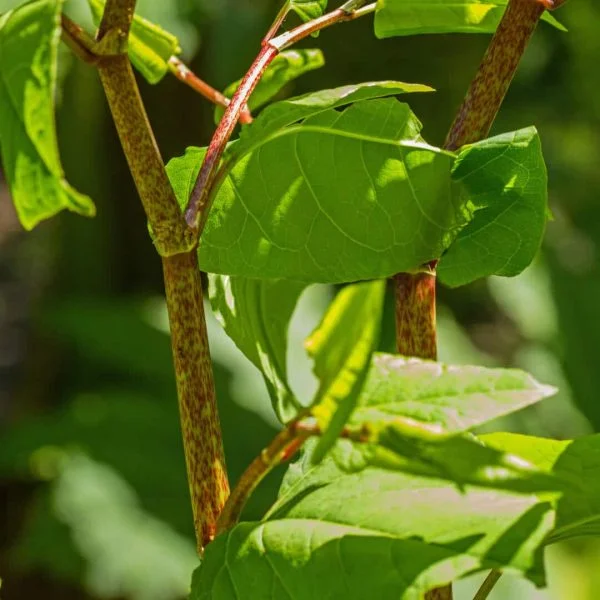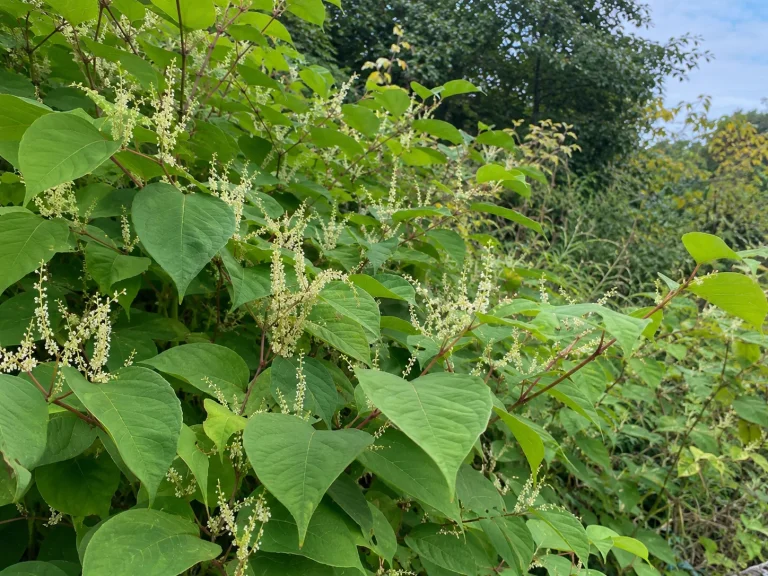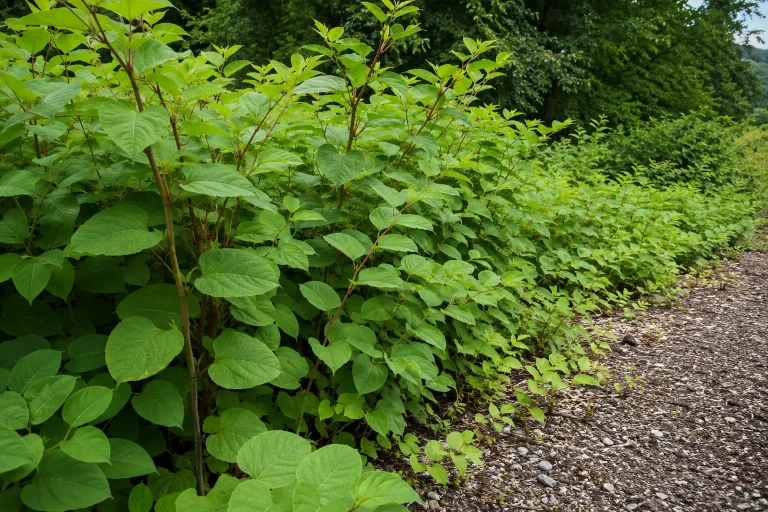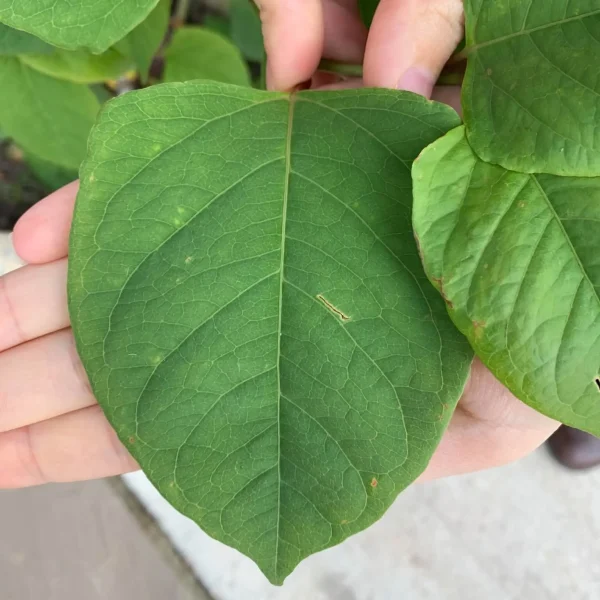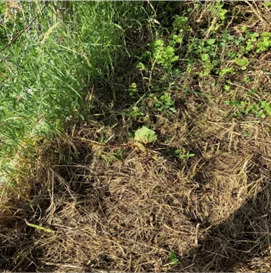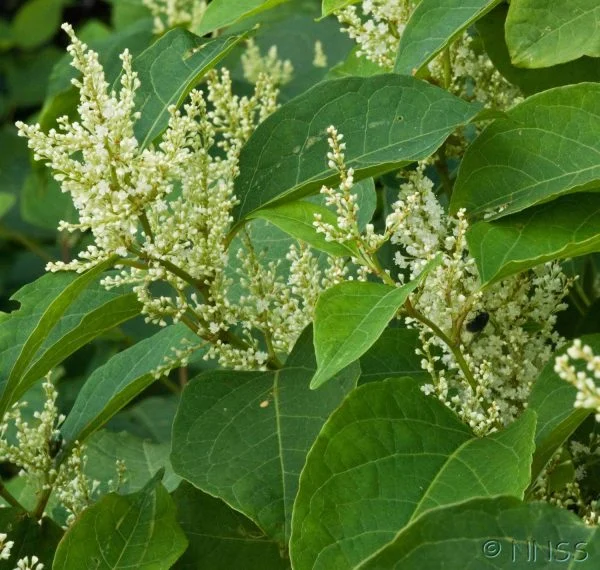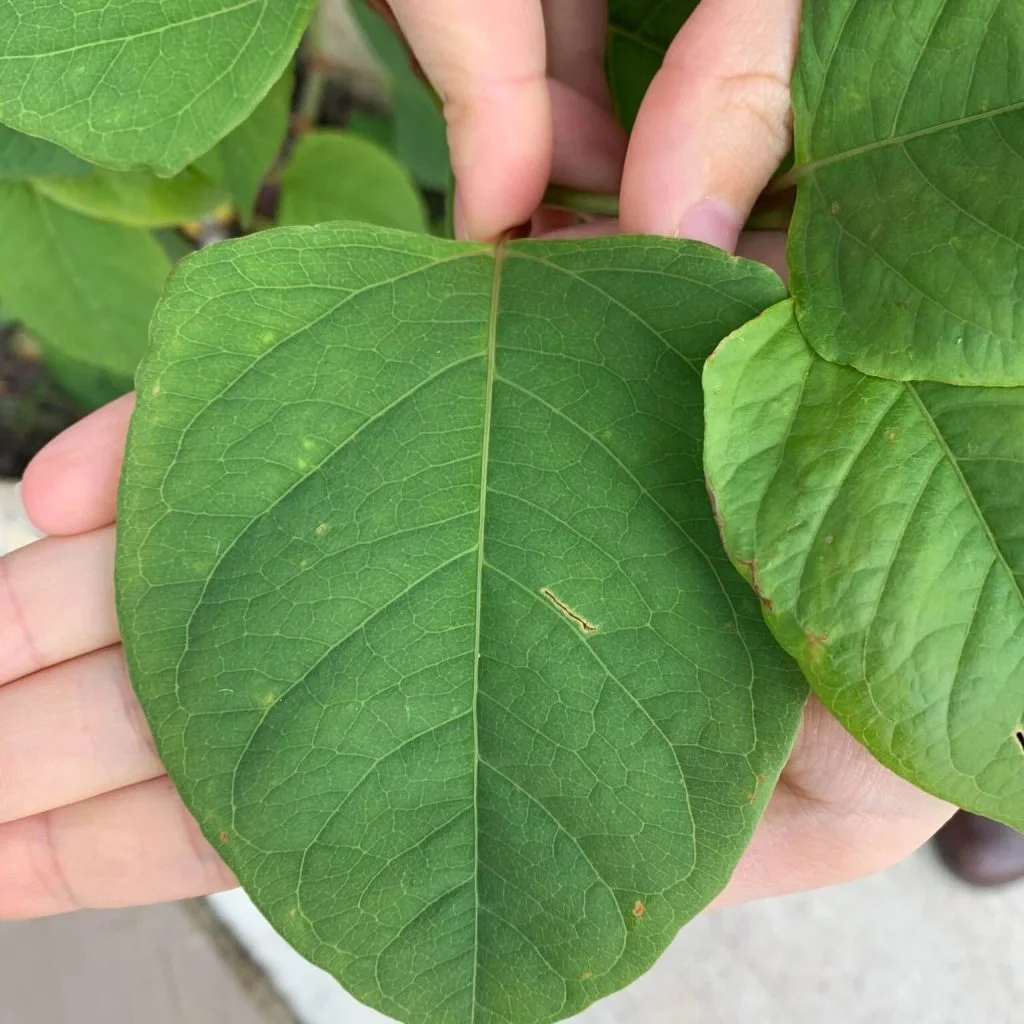
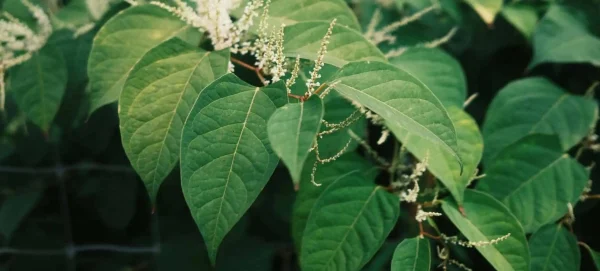








Most people don’t actively look for Japanese knotweed. It usually comes to light during due diligence — when a survey raises a concern, a buyer seeks reassurance, or a lender requests confirmation before proceeding. At that point, uncertainty can have a greater impact than the plant itself.
In Derbyshire, properties along rural edges often feature private gardens and plots where Japanese knotweed is treated as a due-diligence matter. Professionals identify its presence through assessment rather than assumption. The key is providing early documentation so surveyors, lenders, and advisers can move forward without delay, and avoid the spread of a Japanese knotweed infestation.
In most cases, the outcome depends on how quickly the situation is clarified and how clearly it is documented.