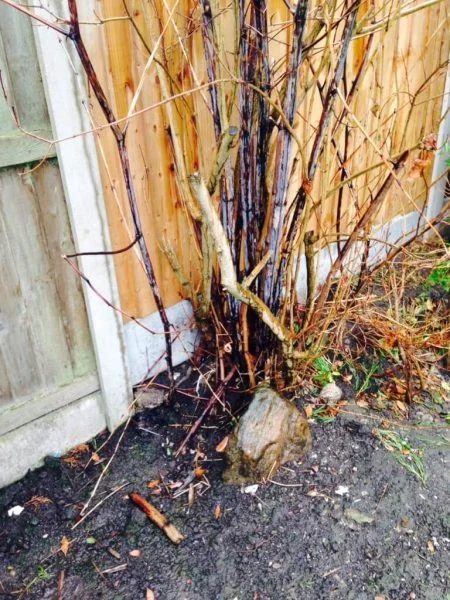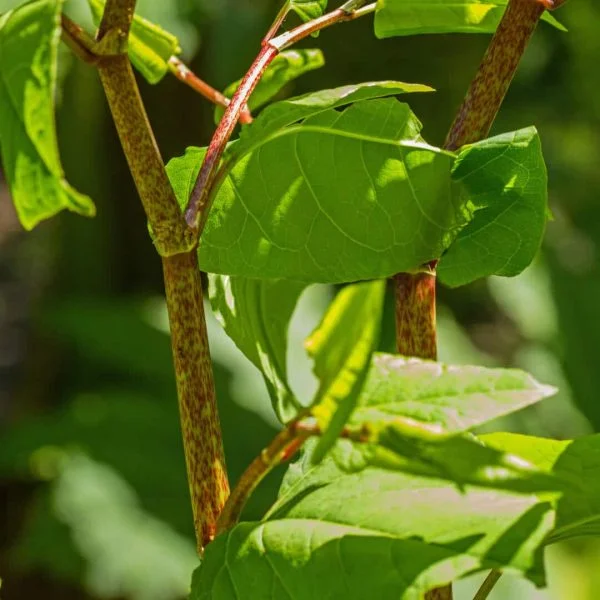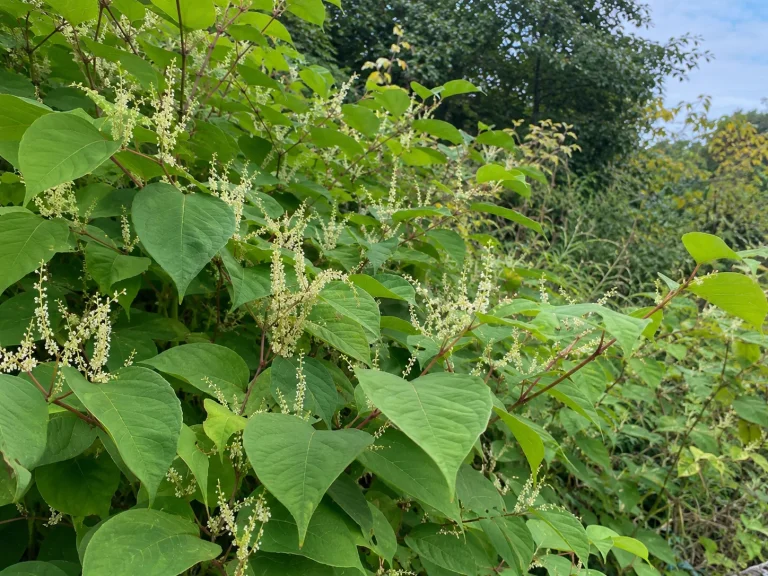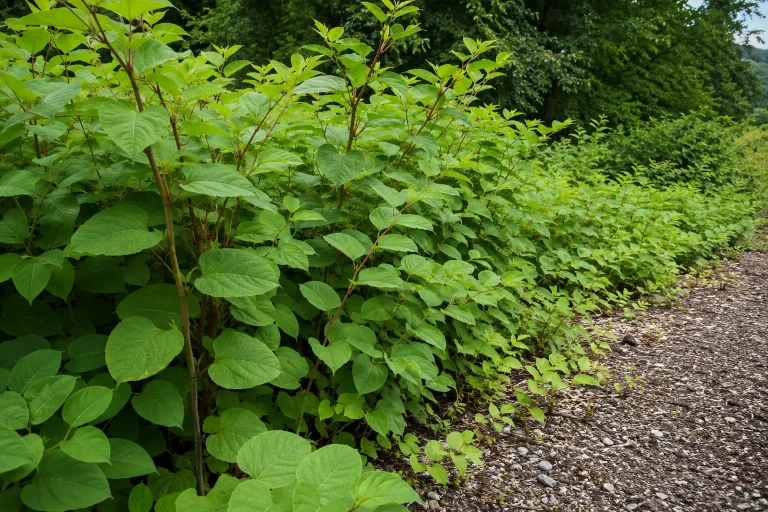
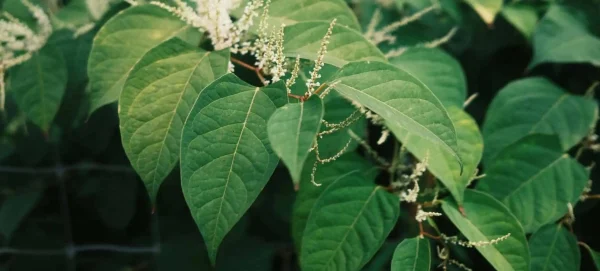








Most people don’t go looking for knotweed as an invasive plant species. It typically surfaces during due diligence — a survey raises a question, a buyer asks for reassurance, or a lender requests confirmation before proceeding.
At that point, uncertainty can matter more than the plant itself. Across much of Cornwall, properties often include larger plots, rural homes, coastal land, and areas where ownership boundaries and land management responsibilities are just as important as the transactions themselves. In these cases, knotweed is less likely to be noticed during routine buyer checks and is more often discovered when land is being managed, improved, repurposed, or prepared for future use.
At that stage, uncertainty may not be immediately apparent, but it can significantly limit progress. Questions around spread, responsibility, and containment can quietly constrain what happens next if they aren’t addressed early.
What matters most is establishing a clear, defensible position before assumptions — rather than evidence — begin to shape decisions.