How to Identify Japanese Knotweed in Spring

Japanese knotweed is one of the most problematic invasive plant species in the UK, affecting an estimated 1.25 million properties and causing average property devaluations of around £23,530. With figures like this, being able to identify Japanese knotweed in spring is essential for early intervention and control.

Spring is one of the most important times of year to spot Japanese knotweed, as new growth begins to emerge rapidly. Early identification can significantly reduce the cost and complexity of a management plan.


Japanese Knotweed Graph
Fig 1


Why Spring Identification Matters

Spring is when Japanese knotweed re emerges from dormancy. At this stage, the plant is easier to treat and manage before it becomes fully established later in the year.

Because the plant grows so quickly, missing it in early spring can lead to a much larger and more expensive problem by summer. Identifying it early allows for effective Japanese knotweed control and helps prevent further spread across your property or neighbouring land.

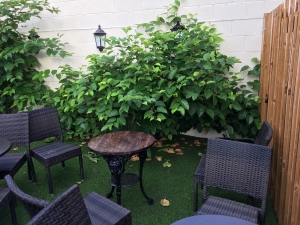
What do the flowers on Dogwood look like?
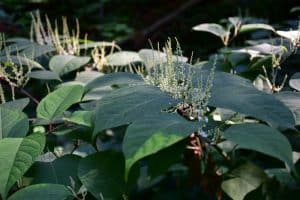
Does Japanese knotweed have heart shaped leaves?

Early Spring Growth – What to Look For

In early spring, Japanese knotweed emerges from the ground as small, spear like shoots. These shoots are often compared to asparagus due to their shape and tightly furled leaves.

Key characteristics include:

  • Deep red or purple coloured shoots
  • A clustered growth pattern from the ground
  • Rolled or tightly curled leaves at the tip
  •  

At this stage, the plant can be easily overlooked or mistaken for other species, particularly by those unfamiliar with invasive plant species.

Rapid Growth and Development

As temperatures rise, Japanese knotweed grows extremely quickly, often reaching growth rates of up to 40mm per day. By late spring, some plants can reach heights of 1.8 to 2 metres.

As the plant develops:

  • Stems turn green with distinctive purple speckles
  • Stems become hollow, similar to bamboo
  • Leaves unfurl into a heart or shield shape
  • Leaves grow to around the size of a human hand

This rapid growth is one of the defining features of Japanese knotweed and a key reason why early identification is so important.

What does japanese knotweed look like?
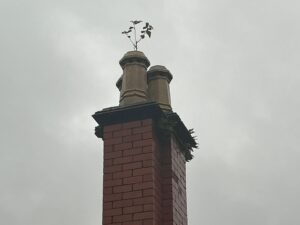
dense crown growth of Japanese Knotweed

Plants Commonly Mistaken for Japanese Knotweed

Japanese knotweed is often misidentified, particularly in spring when many plants are producing new growth.

Common lookalikes include:

  • Cornus commonly known as Dogwood
  • Rumex obtusifolius commonly known as Dock
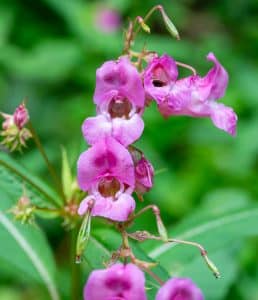
  • Impatiens glandulifera another invasive plant species
  • Young Poplar saplings
  •  

While these plants may share some visual similarities, they do not exhibit the same rapid growth rate, stem structure or rhizome system as Japanese knotweed.

If you are unsure, professional identification is always recommended to avoid unnecessary concern or incorrect treatment.

The Rhizome System – The Hidden Risk

Beneath the surface lies the most destructive part of Japanese knotweed, the rhizome system.

  • Rhizomes can spread up to 7 metres horizontally and 2 metres deep
  • When snapped, they produce a sound similar to a carrot breaking
  • The inside is a distinctive yellow or orange colour
  • Even very small fragments can regrow into new plants
  •  

This underground network is why Japanese knotweed is so difficult to control and why disturbance without a management plan can make the problem worse.

What do the stems on japanese knotweed look like
Eradicating Japanese Knotweed in Cheshire

Legal Considerations and Responsibilities

Japanese knotweed is regulated under the Wildlife and Countryside Act 1981, which makes it an offence to cause the plant to spread in the wild.

In addition, improper disposal of contaminated soil or plant material can fall under the Environmental Protection Act 1990.

This means that identification is not just about protecting your property, it is also about ensuring legal compliance and responsible management of invasive plant species.

What to Do If You Identify Japanese Knotweed

If you believe you have Japanese knotweed on your property, it is important not to dig, cut or disturb the plant, as this can lead to further spread.

The next step is to obtain a professional assessment. A site survey will confirm identification, map the extent of the infestation and allow for a tailored management plan to be created.

Effective Japanese knotweed control typically involves:

  • A structured herbicide treatment programme
  • Long term monitoring
  • Optional insurance backed guarantees for property transactions
  •  

Early action in spring gives the best chance of reducing long term costs and avoiding complications with property sales or development.

Japanese Knotweed in Caernarfon

Need Help with Identification?

If you are unsure whether the plant on your property is Japanese knotweed, you can send a photo for professional confirmation.

Accurate identification is the first and most important step in protecting your property, ensuring compliance with legislation, and putting an effective management plan in place.

Seasonal Guides

To understand how Japanese knotweed changes throughout the year, you may also find these guides useful:

  • How to identify Japanese knotweed in summer
  • How to identify Japanese knotweed in autumn
  • How to identify Japanese knotweed in winter