
Japanese knotweed looks very different depending on the time of year. While it is far more visible in spring and summer, winter can still provide clear signs of its presence if you know what to look for.
Understanding how to identify Japanese knotweed in winter is particularly important, as the plant becomes dormant and can easily be overlooked. However, the underground system remains active, meaning the problem has not gone away.

Japanese knotweed is a fast growing invasive plant species that can cause significant problems for homeowners, developers and landowners across the UK.
It spreads through an extensive underground network of rhizomes, which can travel several metres from the original plant. These rhizomes are highly resilient and can remain dormant in the soil for many years before regrowing.
Key characteristics of Japanese knotweed include:
Although it may appear inactive in winter, the plant is still present beneath the surface and capable of regrowth when conditions improve.
During winter, Japanese knotweed dies back above ground, but several key features remain visible.
The most obvious sign is the presence of dry, brittle canes. These are the remains of the previous season’s growth and can often still be seen standing upright or collapsed on the ground.
Typical winter identification features include:
These canes can remain in place throughout winter and even into early spring, making them one of the most reliable ways to identify Japanese knotweed during colder months.


Winter identification can be more challenging because many native plants also die back at this time of year.
Without leaves or flowers, Japanese knotweed can be mistaken for other dormant vegetation. This is why it is important to focus on the structure and pattern of the canes, rather than relying on foliage.
Unlike most native plants, Japanese knotweed tends to form dense, uniform clusters of stems, which can help distinguish it even when dormant.
While the visible plant dies back in winter, the rhizome system remains alive underground.
This is why Japanese knotweed control requires a structured approach and cannot be resolved by simply removing visible growth.
Disturbing the soil during winter can actually make the problem worse by spreading rhizome fragments.

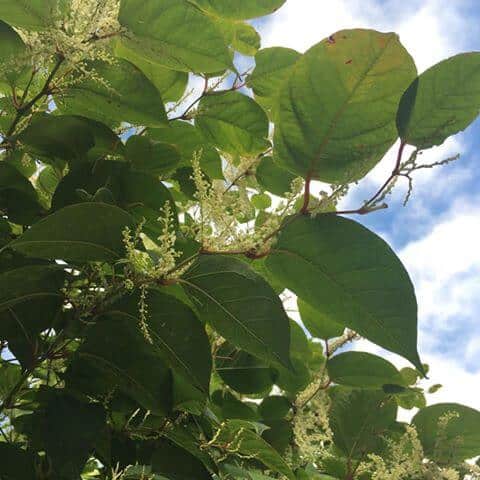
Japanese knotweed is regulated under the Wildlife and Countryside Act 1981, which makes it an offence to cause the plant to spread in the wild.
Additionally, disposal of contaminated soil or plant material must comply with the Environmental Protection Act 1990.
Failure to manage Japanese knotweed correctly can lead to legal issues, particularly if it spreads to neighbouring land. This is why professional identification and management plans are strongly recommended.
If you suspect Japanese knotweed is present on your property during winter, it is important not to disturb it.
Avoid:
Instead, the best course of action is to arrange a professional survey. This will confirm identification and allow for a tailored management plan to be put in place ahead of the growing season.
Planning ahead during winter means treatment can begin at the optimal time in spring, improving the effectiveness of Japanese knotweed control.


Even though the plant is dormant, winter identification gives you a head start.
By confirming the presence of Japanese knotweed early, you can:
This proactive approach is particularly important where lending, legal or planning considerations are involved.
If you are unsure whether you have Japanese knotweed on your property, professional advice is always recommended.
A simple photo can often be enough to confirm initial identification, followed by a site survey if required. From there, a structured management plan can be created to safely and effectively deal with the issue.