
Himalayan Balsam in Summer: Why It Spreads So Quickly and What You Can Do About It
What Is Himalayan Balsam?
Himalayan Balsam is an invasive plant species, which is non-native to the UK, it was introduced to the UK from the Himalayan region as an ornamental garden plant. It is actually one of the most widespread invasive weed species in the UK, and is often found along watercourses, such as riverbanks, streams, woodland edges, and any damp habitats.
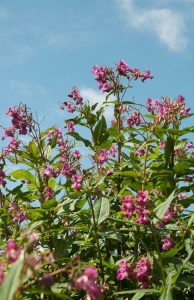
Himalayan Balsam is an annual plant; it germinates in the spring and can reach heights of up to two metres or more by the summer. It produces pink or purple flowers and can spread very rapidly, particularly in the summer.
How to Identify Himalayan Balsam During Summer
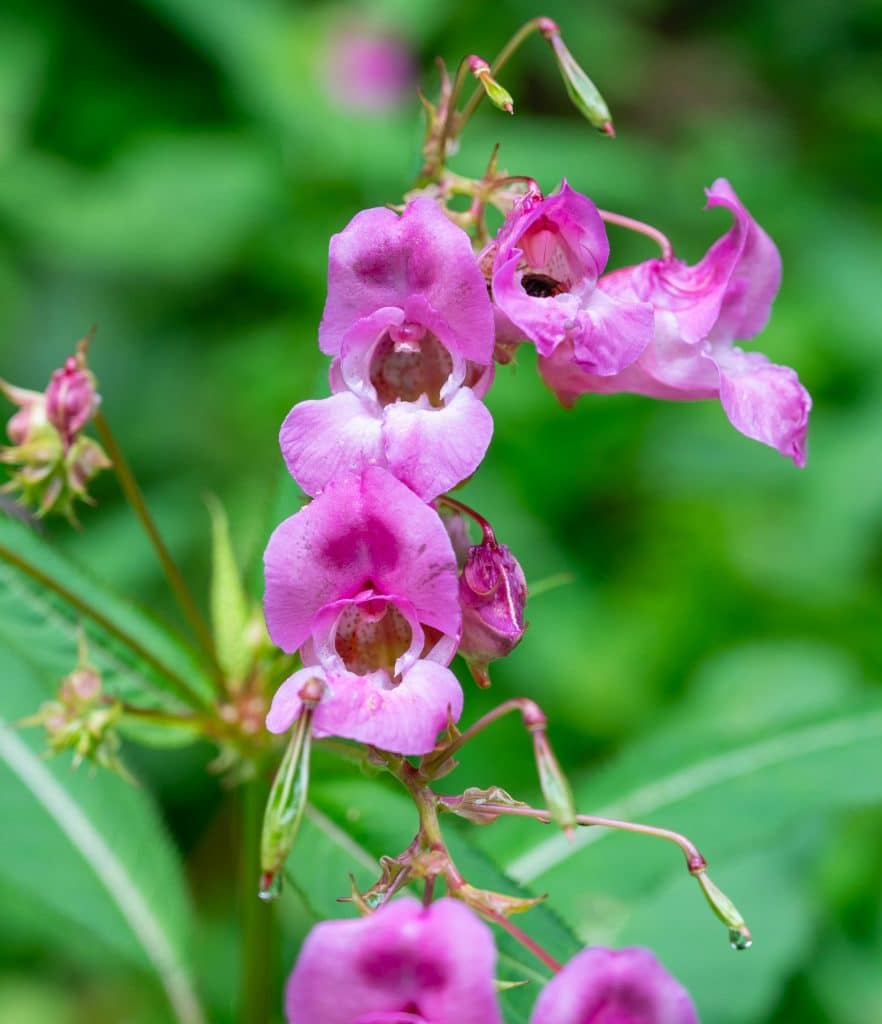
Many invasive weeds and plant species can be misidentified; however, Himalayan Balsam has quite a distinctive appearance, with bold pink or purple helmet-shaped flowers blooming from June to October, which produce a sweet scent and tall stems, making it quite easy to spot.
The flowers hang from the stem in loose clusters and are nectar-rich, making them attractive to pollinating insects. This is one of the reasons for its successful spread across habitats.
Located close to watercourses, it can be easier to identify due to its specific growing locations. Summer is the easiest time to identify Himalayan Balsam, as the plant reaches its maximum height, produces distinctive flowers, and begins producing seed pods, which makes it spread rapidly across the UK.
For property owners, land managers, and environmental professionals carrying out a Himalayan Balsam survey, understanding the plant’s seasonal characteristics can help support effective Himalayan Balsam management before seeds are released.
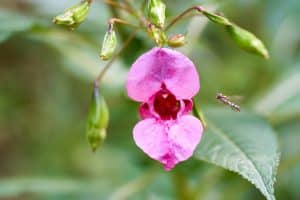
As summer progresses, flowering plants begin producing slender green seed capsules. These pods are responsible for much of the Himalayan Balsam spread seen across waterways and neighbouring land. The ability to reproduce so efficiently helps explain why Himalayan Balsam spreads so quickly in summer, particularly in areas where infestations have not been actively managed.
Early identification supports preventing Himalayan Balsam spread and helps landowners implement appropriate Himalayan Balsam control programmes. Whether through manual removal, herbicide application, or wider invasive plant management strategies, acting during the summer growing season can reduce future treatment requirements and minimise the environmental impact of Himalayan Balsam on native ecosystems.
How Himalayan Balsam Seeds Are Dispersed
Himalayan Balsam is different to other invasive weeds in the UK, as it relies on explosive seed release to spread across new areas. Understanding how Himalayan Balsam spreads is essential for developing effective control measures and preventing new infestations from becoming established.
Towards the end of summer, tension builds up in the seed pods produced; even the slightest disturbance to the pods can trigger them to split open suddenly. When the pods have opened, the seeds are then propelled away from the plant at high speed. This is one of the main reasons the plant spreads so rapidly; it can spread beyond existing colonies and establish new growth in nearby areas. This efficient reproductive strategy is one of the key reasons Himalayan Balsam spreads can accelerate so quickly if infestations are left unmanaged.
How Far Can Himalayan Balsam Seeds Spread?
Individual seed pods can eject seeds several metres away from the parent plant, helping infestations gradually expand across a site. However, this is not the only way seeds can be spread and transported; seeds can be ejected into watercourses, meaning they can be transported much greater distances. Rivers, streams, drainage systems, and seasonal flood events can carry seeds downstream, creating entirely new infestations far from the original source.
Its ability to be transported via watercourses makes it even more difficult to manage, as you never really know just how far it has spread.
Seeds can also be transported unintentionally by human activity.
Potential sources of secondary spread include:
- Soil movement during construction or landscaping works
- Agricultural machinery operating in infested areas
- Foot traffic through established colonies
- Vehicle tyres carrying contaminated soil
- Garden waste or vegetation dumped in unsuitable locations
Preventing Future Himalayan Balsam Infestations
Successfully removing an existing infestation is only part of the solution to removing Himalayan Balsam; long-term success depends on preventing new plants from reproducing and becoming established and reducing the likelihood of future colonisation. Without ongoing management and monitoring, previously cleared areas can quickly become vulnerable to reinfestation, particularly where nearby seed sources remain present.
Implementing a proactive approach to Himalayan Balsam management can help landowners protect their property, support local biodiversity, and minimise future treatment costs.
Routine monitoring is one of the most effective ways of preventing Himalayan Balsam spread. Newly emerging plants are considerably easier to manage than mature infestations, making early detection a key component of any long-term control strategy.
Human activity can unintentionally contribute to the movement of seeds between locations. Having good site management practices can help reduce this risk.
Practical measures may include:
- Cleaning machinery and equipment after working in affected areas
- Managing excavated soil carefully
- Avoiding the movement of contaminated vegetation
- Monitoring access routes through previously infested land
- Training staff to recognise signs of Himalayan Balsam growth
These precautions can support wider efforts aimed at preventing Himalayan Balsam spread across both private and public land.
Act Before Himalayan Balsam Sets Seed
The most effective approach is to identify infestations early and implement appropriate control measures before seed production begins. Whether through routine monitoring, a structured Himalayan Balsam control programme, or targeted Himalayan Balsam treatment, early intervention can dramatically reduce the likelihood of future outbreaks.
Sites located near rivers, streams, and drainage systems should be prioritised, as Himalayan Balsam near watercourses can spread beyond individual property boundaries and affect wider catchment areas. Taking action before seeds are released not only protects your own land but also contributes to broader efforts aimed at preventing Himalayan Balsam spread throughout the surrounding environment.
Ultimately, the key to successful invasive plant management is timing. By addressing Himalayan Balsam before it sets seed, landowners can minimise future risks, reduce treatment requirements, and help protect native habitats from the continued impacts of this highly invasive species.