
Originally introduced as an ornamental plant in the 19th century, Japanese knotweed is now classified as an invasive species. Its roots, or rhizomes, can extend several meters deep and wide, penetrating foundations, drainage systems, and walls. Once established, it is notoriously difficult and costly to eradicate.
In the UK, knotweed is controlled under the Wildlife and Countryside Act 1981. While it is not illegal to have knotweed on your property, allowing it to spread into the wild or onto neighbouring land can lead to prosecution.
Developers have a legal duty to prevent environmental damage. Failure to address knotweed before construction may:
Mortgage lenders and insurers often require knotweed surveys before approving loans or issuing policies. If knotweed is found:
– Insurance or financing may be denied until treatment is completed or well underway.
Managing knotweed can significantly impact a project’s bottom line:
– Survey and Identification: Specialist surveys typically cost hundreds to thousands of pounds.
– Treatment and Removal: Remediation can cost £2,000–£10,000 or more per site, depending on the extent.
– Delays and Disruptions: Excavation work may need to be paused or redesigned, and disposal delays can push back project timelines.
Properties affected by knotweed can lose up to 10% or more of their market value. Developers holding land for resale must account for this in their valuation models and exit strategies.
– Neighbour Claims: If knotweed spreads to adjacent land, the responsible party may face compensation claims.
– Professional Negligence: Surveyors and environmental consultants may be liable if they fail to identify knotweed in pre-acquisition assessments.
– Contractual Penalties: Undisclosed knotweed issues can breach construction contracts or sale agreements.
– Conduct comprehensive site surveys before acquisition or development begins.
– Use PCA-accredited surveyors like us who provide legally compliant reports & management plans.
– Ensure treatment plans include herbicide application, physical removal, or encapsulation.
– Monitor for regrowth over multiple seasons and maintain records for legal and financial protection.
– Consider indemnity insurance to cover unforeseen treatment or litigation costs.
– Ensure contractors carry adequate professional indemnity & environmental liability coverage.
– Disclose known knotweed issues to buyers, funders, and insurers.
– Collaborate with legal and environmental experts when developing contract clauses that allocate responsibility clearly.
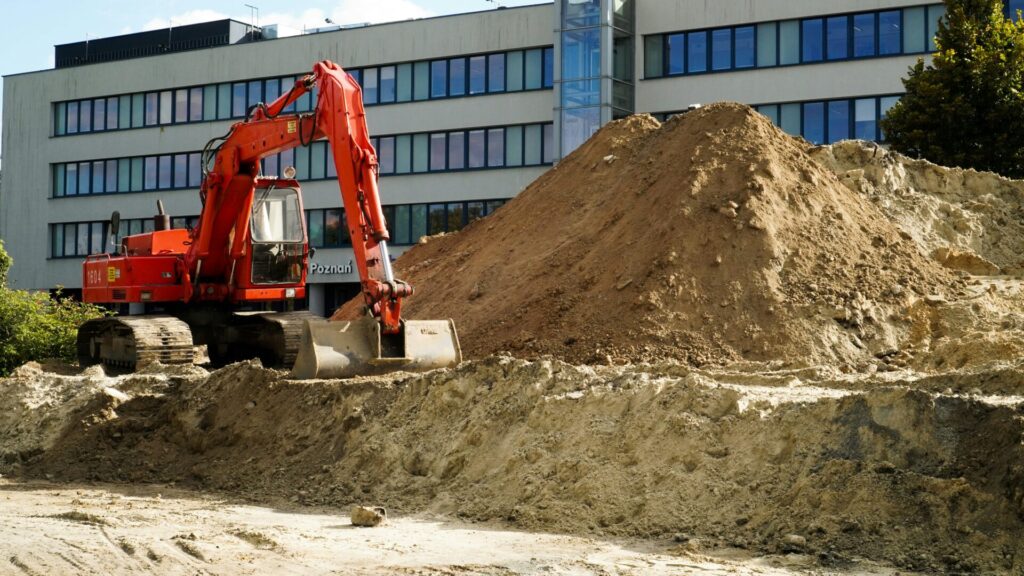
Japanese knotweed presents complex challenges that extend far beyond its botanical impact. For construction projects, ignoring or mishandling its presence can lead to costly delays, legal battles, and reputational damage. By proactively identifying, treating, and legally documenting responses to knotweed, stakeholders can protect their investments and ensure compliance with environmental and civil obligations. In today’s risk-averse construction environment, knotweed is not just a nuisance — it’s a liability that demands strategic planning.
We specialise in the identification, treatment & removal of Japanese knotweed. With over 25 years of experience, we offer services tailored to both residential & commercial clients, ensuring compliance with legal obligations & minimizing potential financial risks associated with knotweed infestations.
If you need expert assistance we are here to help. We offer professional treatment, removal solutions & site supervision. Contact us today on 0800 1337 444 or email us at [email protected] to discuss your requirements & get your project moving again.
