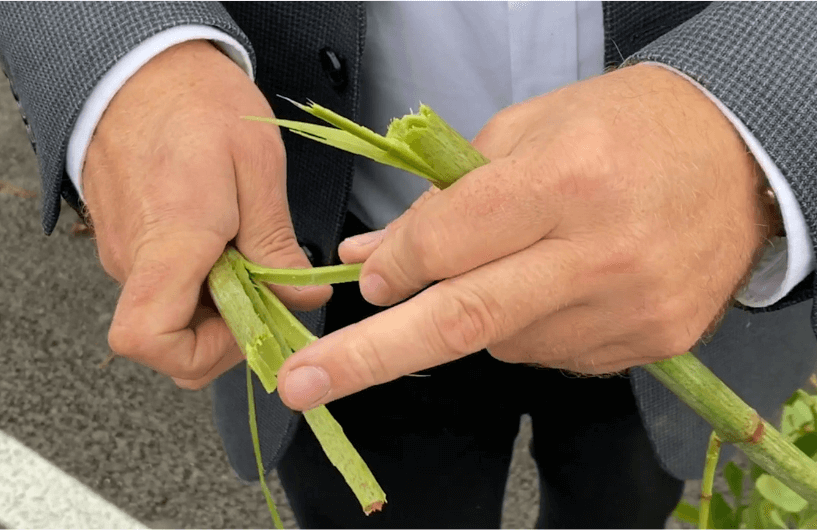
Are you wondering, can Japanese knotweed affect my mortgage?
What is Japanese knotweed?
Japanese knotweed is one of the most invasive weeds in the UK. It can affect buildings – knotweed can grow through small gaps and will then expand, breaking open cracks in foundations, walls and sewer lines. Knotweed lies dormant throughout the winter, before re-emerging in spring.
Many people can be lulled into a false sense of security and believe that the knotweed has been successfully removed when it often has not. In addition, building work can disturb dormant Japanese knotweed in the soil, causing a new patch to grow.
How can Japanese knotweed affect mortgages?
Depending on the size of the knotweed and how close the knotweed is located to any buildings on the property, your mortgage lender could refuse your mortgage. Or, ask you to provide a larger deposit or charge a higher interest rate.
If any knotweed is identified, nearly all mortgage lenders will require a survey by a PCA accredited surveyor.
free online identification
Don't spend money that you don't have to. Send us photos of the suspected plant, and we will identify the plant for you, let us put your mind at ease.
If a Japanese knotweed treatment plan (with an insurance backed guarantee) is in place and fully paid for, many mortgage lenders will be willing to issue a mortgage. Solicitors may need to negotiate the removal of any treatment costs you incur from the price of the property.
It is worth checking with your mortgage lender or a solicitor for your legal standing, as each property and situation will prove different.
Treatment Options
Herbicidal Japanese Knotweed Treatment
Thus, the most common and preferred treatment method for Japanese Knotweed is a herbicide treatment.
However, the best time for Japanese knotweed to be sprayed is when the plant is actively growing. This is because of the type of herbicide used.