

The Legal Responsibilities of Landowners with Japanese Knotweed
Why Understanding Japanese Knotweed Legal Responsibilities Is Important
One of the most common misconceptions about Japanese knotweed is that it is illegal to have it on your property. This is not the case. However, if you allow Japanese knotweed to spread onto neighbouring land or cause damage, it can lead to legal disputes.
The biggest concern for property owners is how the plant is managed once it has been identified. It is when it is left unmanaged that legal cases and neighbour disputes tend to arise. Many landowners focus on the physical impact of Japanese knotweed while overlooking the legal and financial consequences. Property owners are expected to take reasonable steps to prevent the plant from encroaching beyond their own land, as failure to do so may result in legal action.
Understanding these obligations early can help property owners avoid disputes, unexpected costs, and delays in future property transactions. Effective management is often far less expensive than dealing with the consequences of uncontrolled spread.
Can You Be Held Liable for Japanese Knotweed on Your Property?
Having Japanese knotweed on your land does not automatically make you legally liable. However, liability can arise when a landowner fails to take reasonable action and the infestation spreads onto neighbouring land, affects property transactions, development opportunities, or causes financial loss.
In legal disputes involving Japanese knotweed, courts typically consider whether the landowner knew about the infestation and whether appropriate steps were taken to manage it. Cases often focus on a failure to control, monitor, or manage the plant once it has been identified, rather than its mere presence. Where a management plan is in place, landowners are generally likely to face less scrutiny than those who ignore the issue entirely.
One of the most common causes of liability is encroachment onto neighbouring land. Japanese knotweed has a rhizome system that spreads underground, meaning it can cross property boundaries without the owner’s immediate knowledge. Once it begins affecting adjacent land, neighbouring property owners may seek remediation, compensation, or other legal remedies.
A significant number of knotweed-related cases are brought under the principle of private nuisance. In these situations, the focus is often on whether the infestation has interfered with a neighbouring owner’s use, enjoyment, or value of their property. Courts may consider the extent of the spread, the impact on the neighbouring land, and whether reasonable management measures were implemented. Liability does not necessarily depend on visible or physical damage occurring.
If liability is established, potential consequences may include:
- Costs associated with professional treatment programmes
- Monitoring and management expenses
- Survey and investigation costs
- Legal fees
- Compensation relating to losses suffered by affected neighbours
- Potential claims linked to reduced property marketability or delayed transactions
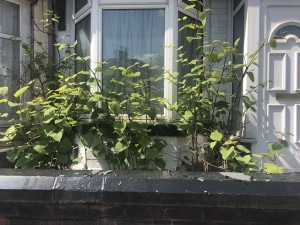
Japanese Knotweed Encroachment: What Happens When It Spreads to Neighbouring Land?
Encroachment occurs when Japanese knotweed extends beyond the land on which it originated and affects an adjoining property. This spread can occur above ground through visible canes and vegetation, but it most commonly occurs through the underground rhizome network, which makes it particularly difficult to detect.
Rhizomes can travel beneath fences, walls, pathways, and other boundary features, making spread difficult to identify in its early stages. In many cases, neighbouring landowners may not realise they have been affected until the plant emerges several metres away from the original infestation.
Once an infestation spreads onto adjacent land, questions often arise regarding responsibility for managing the issue and how associated costs should be covered. Encroachment becomes more complex when the original infestation has been known about for some time, but little or no management has taken place. Legal disputes typically centre on whether reasonable steps were taken to contain the infestation before it spread to neighbouring properties.
Encroachment can affect neighbouring land in several ways:
- Additional treatment and monitoring costs
- Disruption to landscaping projects or garden improvements
- Delays to property sales or refinancing
- Increased scrutiny from surveyors and mortgage lenders
- Concerns about future spread and long-term management requirements
Does Japanese Knotweed Affect Property Value and Mortgage Applications?
Japanese knotweed is widely regarded as a material risk factor in the property market, even when infestations are minor or controlled. The impact on property value is usually driven by perceived future costs, uncertainty, and reduced marketability, rather than immediate structural damage. Properties with Japanese knotweed present may experience reduced buyer interest, longer time on the market, or price renegotiations during conveyancing. These outcomes often depend on proximity to buildings, the extent of spread, and whether a Japanese knotweed management plan is in place.
Mortgage lenders assess Japanese knotweed as a risk to structural integrity, future maintenance costs, and resale value. Even where no visible damage exists, lenders may remain cautious due to the plant’s ability to spread through underground rhizomes and cause Japanese knotweed encroachment.
As a result, mortgage decisions are often influenced by:
- Distance of knotweed from habitable spaces
- Severity of infestation
- Whether professional treatment and management plan is underway
- Availability of a treatment plan with evidence
Professional evidence is highly important in property transactions. Surveyors and lenders typically rely on specialist invasive plant reports rather than visual inspections alone. A professionally prepared Japanese knotweed management plan can demonstrate that the risk is being controlled. Supporting documentation—such as treatment history, monitoring reports, and insurance-backed guarantees—can significantly improve outcomes. Evidence of ongoing management is essential in these scenarios .
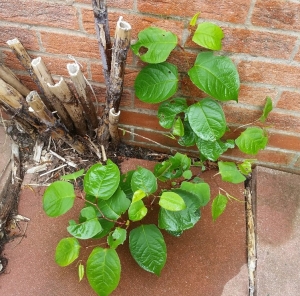
Why a Japanese Knotweed Management Plan Is Essential
A structured Japanese knotweed management plan is one of the most effective ways for landowners to demonstrate they are meeting their Japanese knotweed legal responsibilities. A management plan demonstrates that the infestation is being actively controlled, monitored, and removed over time. This documented approach provides evidence that reasonable steps have been taken to prevent spread and minimise impact.
In most disputes, the presence of the plant is not the main issue, but rather how it has been managed once identified. Where Japanese knotweed encroachment has occurred, a management plan helps clarify what actions were taken and when. In Japanese knotweed neighbour disputes, clear records can reduce uncertainty and support more constructive resolution.
For property transactions and mortgage applications, lenders and surveyors often require evidence of a structured approach before approving finance where knotweed is present. A clear plan supported by treatment records and monitoring data can reduce uncertainty around Japanese knotweed mortgage issues.
A management plan is most effective when supported by consistent documentation, useful records typically include:
- Initial survey findings
- Site mapping of infestation areas
- Treatment schedules and herbicide application records
- Monitoring reports over time
- Photographic evidence of progress
- Waste transfer notes where material has been removed
This documentation can be critical when dealing with Japanese knotweed property boundaries, disputes, or due diligence during sales and acquisitions.
A Japanese knotweed management plan is therefore not just a treatment document, but a legal and financial risk management tool.