- 0800 1337 444
- info@japaneseknotweedexpert.co.uk
- United Kingdom


Have you discovered Japanese knotweed on your property and are unsure whether you can make a claim? Understanding liability and your legal position is key when dealing with a Japanese knotweed problem.
The ability to make a Japanese knotweed claim will depend on your individual circumstances. However, you may have grounds for a claim if:
If any of the above situations apply, you may be eligible to pursue a Japanese knotweed claim for property damage, loss in value, or negligence.
Before progressing with a Japanese knotweed claim, it is essential to instruct a specialist site survey. A professional Japanese knotweed survey will identify the source of the infestation, assess its extent, and evaluate any damage caused to your property.
The resulting Japanese knotweed report provides clear, evidence based findings that can support legal claims and property disputes. These reports are prepared in line with industry standards and are suitable for use in court, ensuring all relevant technical information is presented accurately.
As independent specialists, the role is to deliver objective, expert evidence that assists solicitors and the courts in reaching an informed decision. Each case is handled with precision and attention to detail, ensuring a reliable and robust outcome.

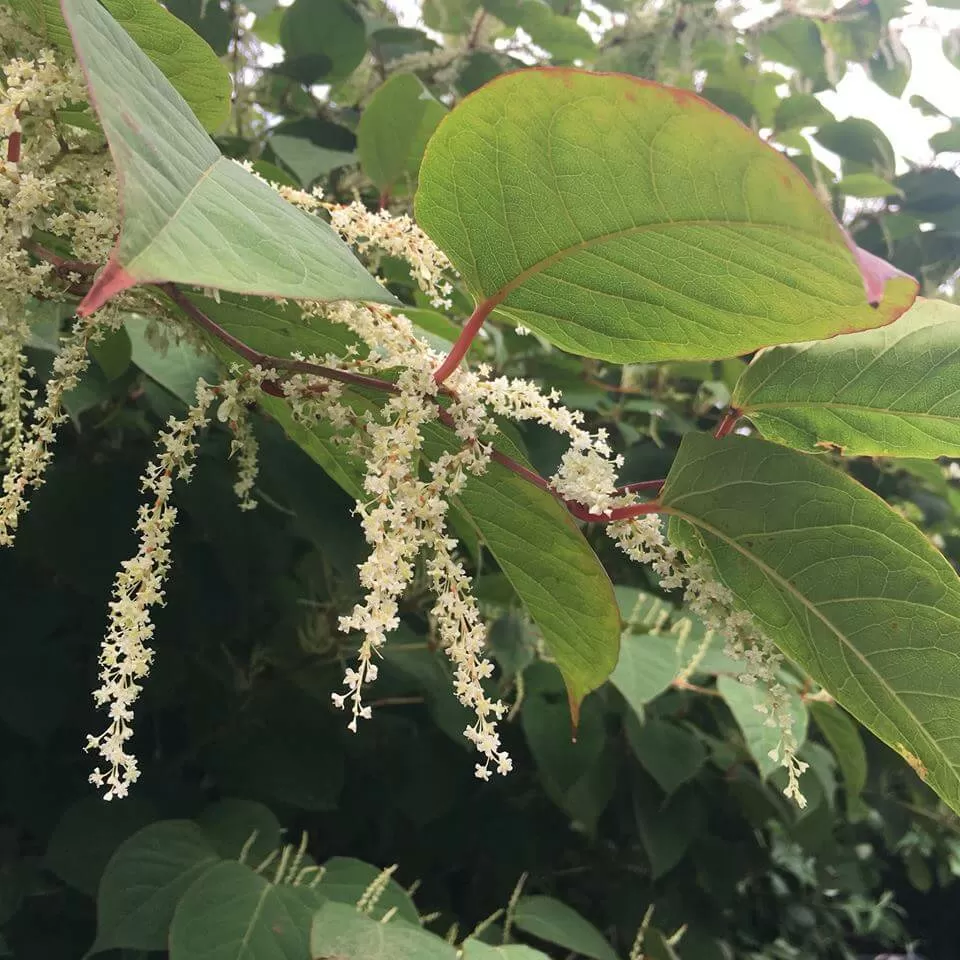
If Japanese knotweed was not identified during your property survey, it is important to understand whether the inspection was carried out thoroughly. Surveyors should have the knowledge to identify Japanese knotweed and assess the risk it poses to a property.
A comprehensive property survey should also consider neighbouring land, typically within 7 metres of the boundary, as Japanese knotweed can spread underground via its rhizome system. Failure to identify nearby infestations may lead to future issues and potential grounds for a claim.
In addition, a professional Japanese knotweed survey should assess not only visible growth, but also the potential future risk of Japanese knotweed, ensuring buyers are fully informed before completing a purchase.
Japanese knotweed is classified as an invasive, controlled plant in the UK. While it is not illegal to have Japanese knotweed on your property, it is a legal offence to allow it to spread to neighbouring land.
If you believe Japanese knotweed is encroaching on your property, it is important to act quickly. The first step is to notify the neighbouring landowner, as they may be unaware of the infestation. In most cases, the responsibility for Japanese knotweed treatment lies with the owner of the land where the plant originates.
If no action is taken, a professional Japanese knotweed survey should be arranged to confirm the source and extent of the infestation. This evidence can then be used to support legal advice and ensure that treatment is carried out by a PCA accredited specialist.
Japanese knotweed can cause significant structural damage and impact property value. Effective containment and management are essential, and all landowners have a responsibility to prevent its spread.
