
Buddleia is widely recognised as an invasive plant in the UK and can cause significant structural and environmental damage if left unmanaged. As a result, it is a common issue for both residential and commercial properties.
At Japanese Knotweed Expert, we have over 25 years of experience in the identification, treatment, and removal of invasive plant species, including buddleia. Acting early is essential to prevent long term damage and costly repairs.
Buddleia, often referred to as the butterfly bush, was introduced to the UK in the 19th century as an ornamental plant. While it is known for its attractive flowers, it has since become highly invasive in many environments.
Buddleia grows rapidly and can reach heights of up to 5 metres if left untreated. It commonly establishes itself in areas such as riverbanks, railway lines, walls, roofs, and derelict buildings. Its ability to thrive in poor conditions allows it to spread where many other plants cannot.
The plant spreads through large quantities of seeds, which are easily dispersed by wind, animals, water, and passing vehicles. This allows buddleia to colonise new areas quickly and establish dense growth in a short space of time.
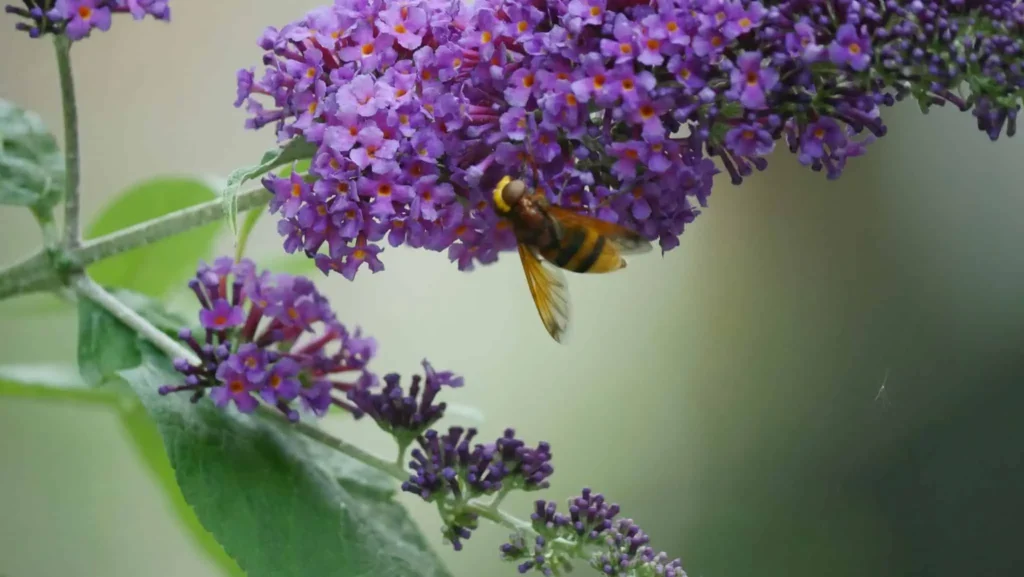
Although buddleia may appear harmless, its root system can cause serious damage over time.
As the plant grows, its roots seek out moisture and exploit small cracks and weaknesses in materials. Buddleia commonly establishes itself in:
Once established, the roots expand and force these gaps wider. Over time, this can lead to structural movement, cracking, and deterioration of materials.
If left untreated, buddleia can result in costly repairs and may negatively impact property value, particularly where structural damage has occurred.
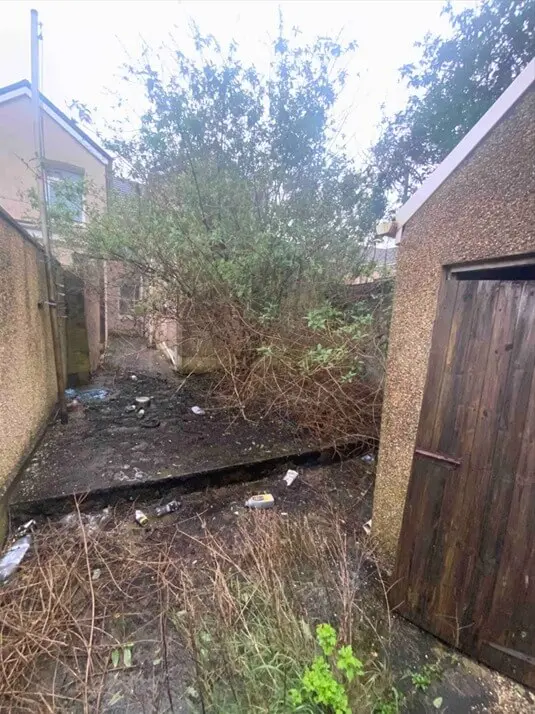
Early identification and removal of buddleia is key to preventing further spread and damage.
Young plants are far easier to control before the root system becomes established. However, once buddleia matures, removal becomes more complex and often requires specialist treatment.
Cutting back the plant alone will not solve the problem. Unless the root system is treated or removed, buddleia will continue to regrow and spread.
A structured treatment plan is essential to achieve long term control and prevent recurrence.
The most effective method of buddleia removal depends on the size and location of the infestation.
Manual Removal
For smaller infestations, careful digging can remove the plant. However, all roots must be removed to prevent regrowth.
Herbicide Treatment
Targeted herbicide treatments can control buddleia, especially in hard to reach areas such as walls or structures. Multiple applications may be required.
Professional Removal
For larger or established infestations, professional removal is often the safest and most effective option. This ensures the entire root system is addressed and reduces the risk of further damage.
If you have buddleia or other invasive weeds growing on your property, it is important to act quickly. Early intervention will help prevent structural damage, reduce costs, and stop the plant from spreading further.
Our team can provide:
Contact us today to arrange a survey and protect your property from the risks associated with invasive plants.