Japanese knotweed is a high stress point for anyone looking to buy or sell a property. However, there are plants that look similar in your garden. In this article, we will be discussing the most common species that are mistaken for Japanese knotweed.
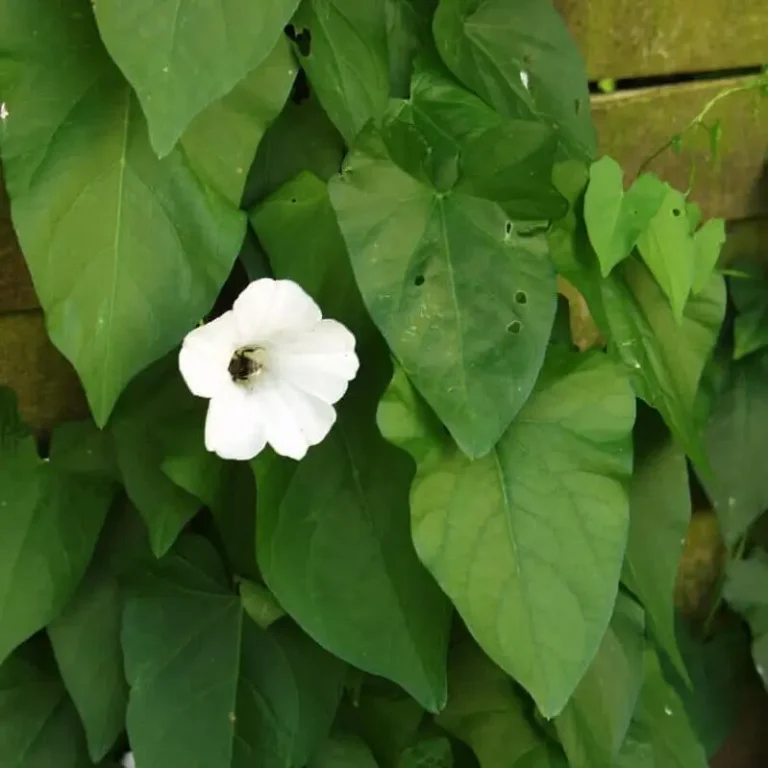
BINDWEED
Unfortunately, bindweed does possess similar properties to that of Japanese knotweed. For instance, the heart shaped leaves that are arranged alternatively across their stem. However, the main difference with this species is that it cannot stand up by itself. This is as bindweed is a climbing plant that will wrap itself around surrounding bushes and shrubs. However, it is important to note that bindweed is also an invasive species that will need to be removed. Although, it will not affect your mortgage applications.
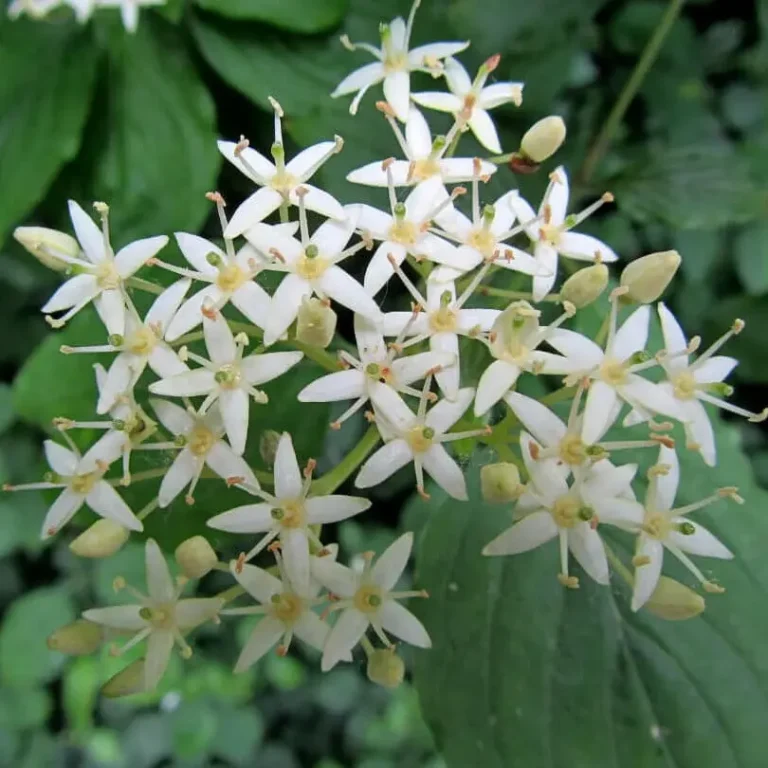
DOGWOOD
Most commonly found in woodland areas and hedgerows, dogwood is mistaken for Japanese knotweed due to its heart leaf shape. Although, these leaves tend to grow opposite each other rather than alternatively along the stem. Which, is a big differentiator between the two species. Another identifiable feature for dogwood is its woody stem as Japanese knotweed does not have this feature.
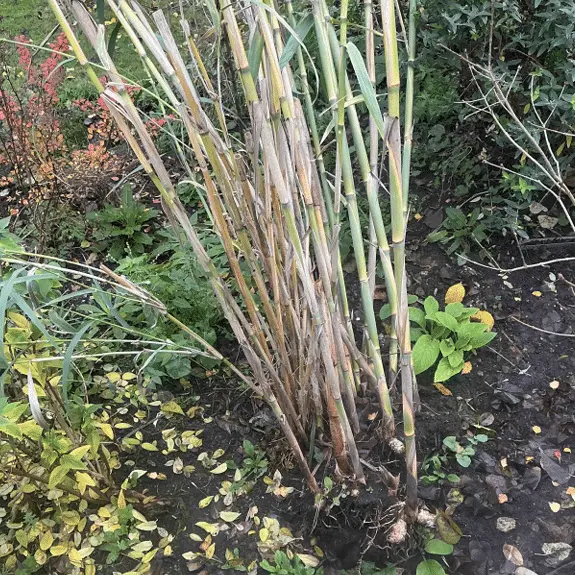
BAMBOO
Bamboo stems often resemble knotweed as they have clear nodes that grow to the same height as Japanese knotweed. However, a difference is that bamboo stems cannot snap as easily as Japanese knotweed. The leaves on bamboo are atypical of Japanese knotweed as they are normally long and thin. Despite this, many bamboo species can also be invasive and will need removal before it takes over your property. To find out more about invasive bamboo click here.
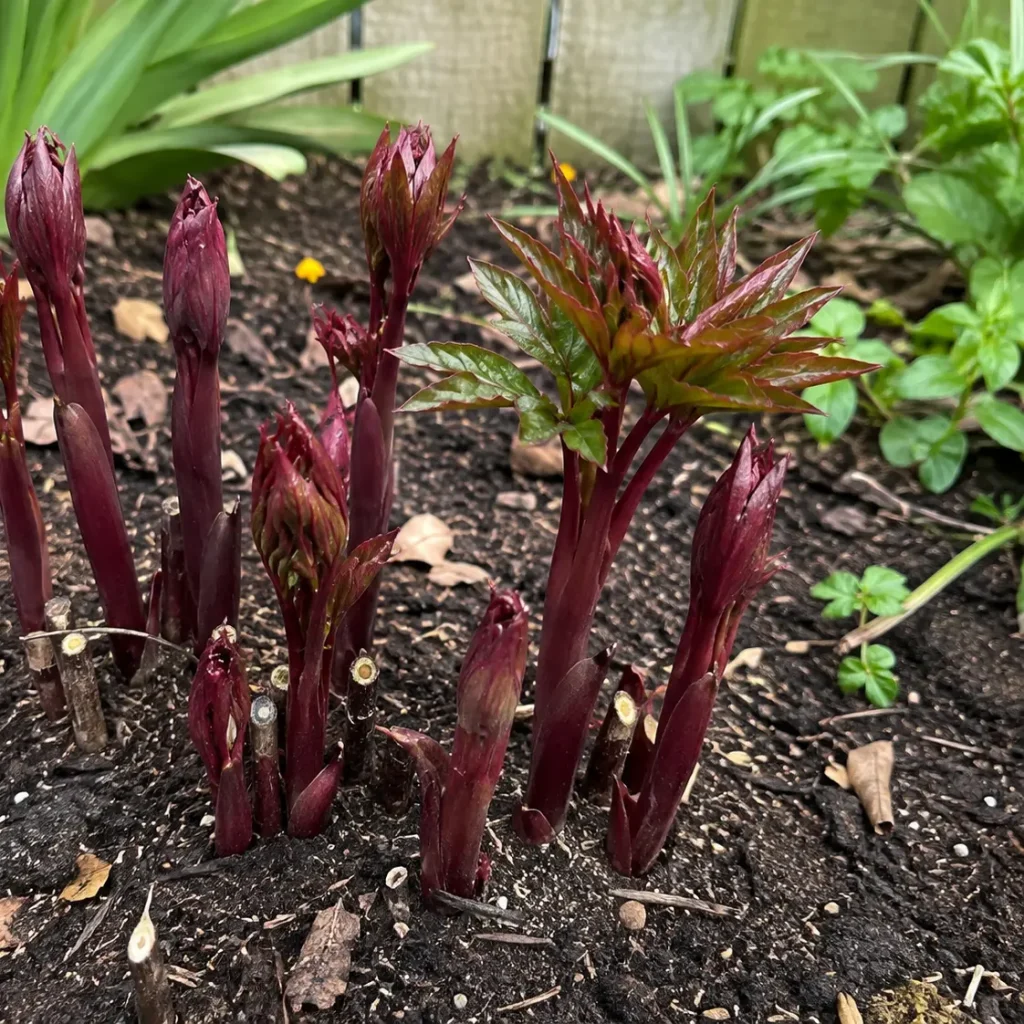
PEONY
Peonies are a beloved garden favourite, but their early spring shoots can be mistaken for Japanese Knotweed. This confusion arises because both plants produce reddish-pink shoots when emerging from the ground. However, a closer look reveals key differences. Peony shoots grow in tight clusters and have rounded buds that develop into soft, leafy stems, whereas Japanese Knotweed shoots are more spaced out, thicker, and covered in protective sheaths, eventually growing into hollow, bamboo-like stems with a distinctive zig-zag pattern. While Peonies pose no threat to your garden, Japanese Knotweed is a highly invasive species that spreads rapidly and can cause serious structural damage.
Contact Us
If you’re unsure, it’s always best to seek expert advice as misidentifying Knotweed could lead to costly consequences. If you suspect Japanese Knotweed on your property, contact Japanese Knotweed Expert for professional identification and management. Get in contact today we can identify, treat and remove this weed promptly!